
Election of the weekend I: Malta
 By
By 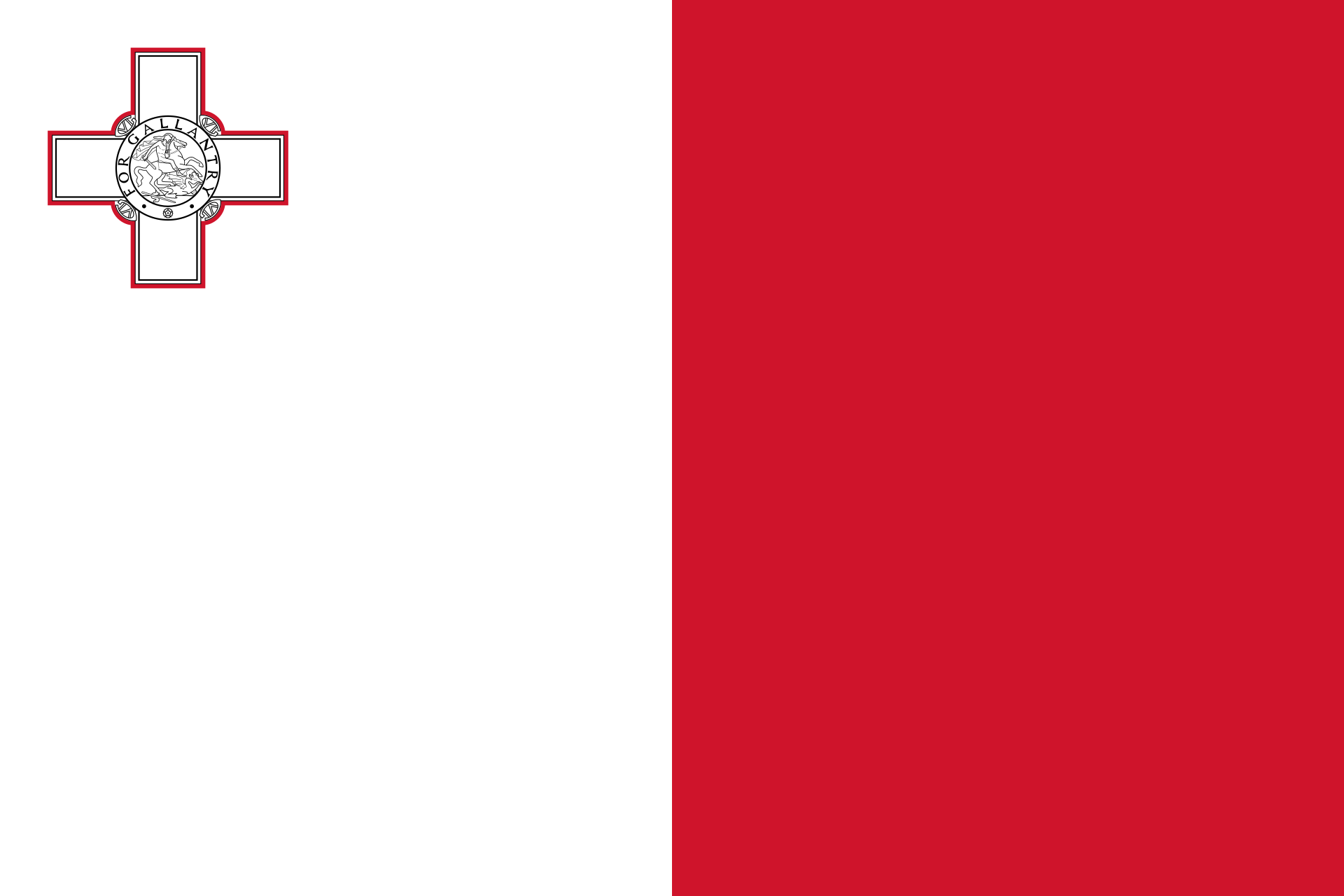
Voting is presently underway in Malta’s snap election. The electoral system: 13 districts, 5 seats each, elected through single transferable vote, optional preferential voting. This is an interest twist on ranked choice, as it works in both directions. First, in the conventional way; the votes of losers are re-allocated to their 2nd, 3rd, etc choices. Second, excess votes for winners are proportionally redistributed as well. Any residents of Portland, OR might find this famliar, as that city has recently adopted a similar method for electing their city council. They also have an unusual rule to prevent 2000/2016 electoral college whoopsie-daisies: if only two parties win seats, and the party that won more first preference votes has fewer seats, seats are added (presumably from some national list) to get them to a one seat majority. There is also a provision to proportionally add woman MPs, should the proportion of women in the original result be below a certain level.
This electoral system has, somewhat surprisingly, resulted in a fairly conventional two party system, with only the center-left Labour party and the center-right Nationalist party typically winning seats. Labor has been in power since 2013, winning each of the last three elections by low double digits. Polling averages for today’s election suggest a similar, if somewhat closer, result is likely. This is a snap election, called by Labour PM Robert Abela about a year early; ostensibly because he wanted a fresh mandate to lead Malta through the economic turbulence of post-Iran War world, but perhaps really because he feared the long-term, deepening economic damage of said war would weaken his chances of a fourth consecutive term, come 2027. Despite some unusually strong underlying conditions (low inflation, essentially full employment, ~4% annual growth), economic concerns are dominating:
The economy is set to dominate this year’s election, with rising rents and ailing infrastructure at the forefront of many voters’ minds.
Malta’s public health service is also under increasing pressure following a population surge in what is already the European Union’s smallest and most densely populated country.
Opinion polls suggest Abela’s party is on course to win the snap election, with Labour dominating Malta’s political landscape during the past decade.
However, the Nationalist Party’s new leader, Alex Borg, hopes to unseat Labour and become Malta’s youngest-ever prime minister at the age of 30.
The election takes place under the shadow of the assassination of investigative journalist Daphne Caruana Galizia, who was killed by a car bomb in 2017.
Caruana Galizia exposed corruption in Malta, with her death ultimately leading to the resignation of former Prime Minister Joseph Muscat.
A public inquiry concluded that the government was responsible for her death, although it found no evidence of its direct involvement.
The report said the government had created an “atmosphere of impunity”, leading those who killed Caruana Galizia to believe they would face no consequences for their actions.
In June 2025, two men were sentenced to life imprisonment for supplying the car bomb that killed her.
Polls are open until 10:00 PM in Malta, so about three more hours. Results presumably known by this evening.