
Election of the Day: Antigua and Barbuda
 By
By 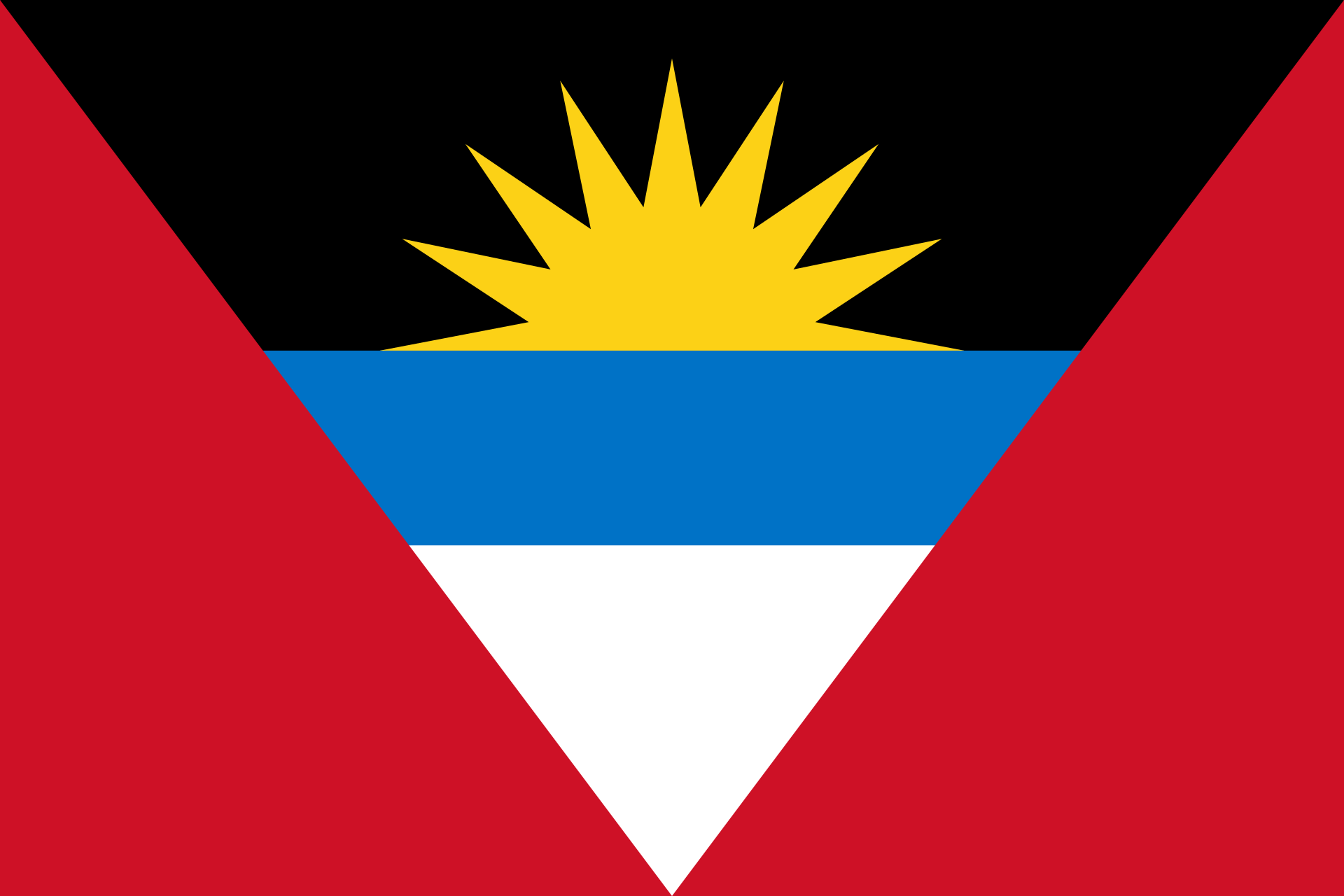
Tomorrow, the citizens of Antigua and Barbuda will elect a new House of Representatives. This legislative body has 17 seats, elected via single member district, first past the post elections. 16 of the constituencies are Antiguan, around half of them are from the capital, St. John’s, and one seat representing Barbuda. In recent history, and likely in this election, Antigua and Barbuda is effectively a two party system, with one exception. In the 2023 election, the Antigua and Barbuda Labour Party (ABLP) eked out a win, capturing 9 seats with 47% of the vote. The United Progressive Party, with just over 45%, won 6 of the remaining 7 Antiguan seats, with an independent winning one. As they typically do, the Barbudan People’s Movement won the Barbuda constituency. (They have won that seat in every election since the party’s formation in the 1980’s, with the exception of 2014, when they lost by one vote to the ABLP candidate.)
ABLP is the center-right party, known for fiscal and sometimes some moderate social conservatism (although they’ve been quite progressive on LGBT issues, although that might be more of a function of the current party leader’s idiosyncratic views, rather than a deep commitment by the party.) They combine a relatively pro-market system of economic regulation with a commitment to government being a key employer. This generally seems to work pretty well for them; they’ve won every election since their inception in 1946 with three exceptions: 1971, 1999, and 2004. So the 2023 election, while securing them a parliamentary majority, was a worrying and disappointing results. That worry was compounded when they badly lost a by-election the next year. Browne’s government was saved by a dramatic bench-crossing by UPP representative Anthony Smith, who resigned from UPP and accepted a cabinet position Browne’s government. He framed this as a service to the country, allowing for political stability and continuity. (Critics suspect he did it to gain power for himself and goodies for his constituents, and they probably have a point about that.)
This is an early election, as Browne dissolved the government and called for a new one a month ago, over a year ahead of schedule. Officially, Browne’s position was that the current and increasing global instability required a fresh mandate. In terms of practical politics, two recent by-elections have provided evidence that ABLP’s position is much stronger, and the opposition is disorganized, and he wants to strike while the iron is hot, so to speak. The first by-election was to replace the independent legislator Asot Michael, a former Labour member who had sparred with Browne in intraparty disputes before going independent. After Michael was murdered by his landscaper, Labour secured an easy victory to replace him in early 2025. A few months ago, the ABLP representative from St. Philips North, Robin Yearwood, celebrated his 50th anniversary in the legislature, decided 50 years was quite enough, and retired. His St. Philip’s North constituency was a ABLP stronghold, so there was little fear of losing the seat. But the margin of victory for the ABLP candidate pointed to significant electoral strength at the moment. Reporting on substantive issues in this election is somewhat scant, but from what I can gather it’s a lot of what you’d probably guess: affordablity/COL issues, accusations of patronage networks and graft, the timing/strategy of green energy transition plans, and how to sustain economic growth in the face of rising jet fuel costs and the threat that poses to tourism, which remains the main driver of Antigua’s economy. If Browne’s read on the political environment is correct, expect a solid comfortable victory for ABLP. I have found no independent polling, but Browne has selectively released some polling results showing ABLP with a roughly 20 point lead over UPP.