
John Roberts et al, accessories to murder
 By
By 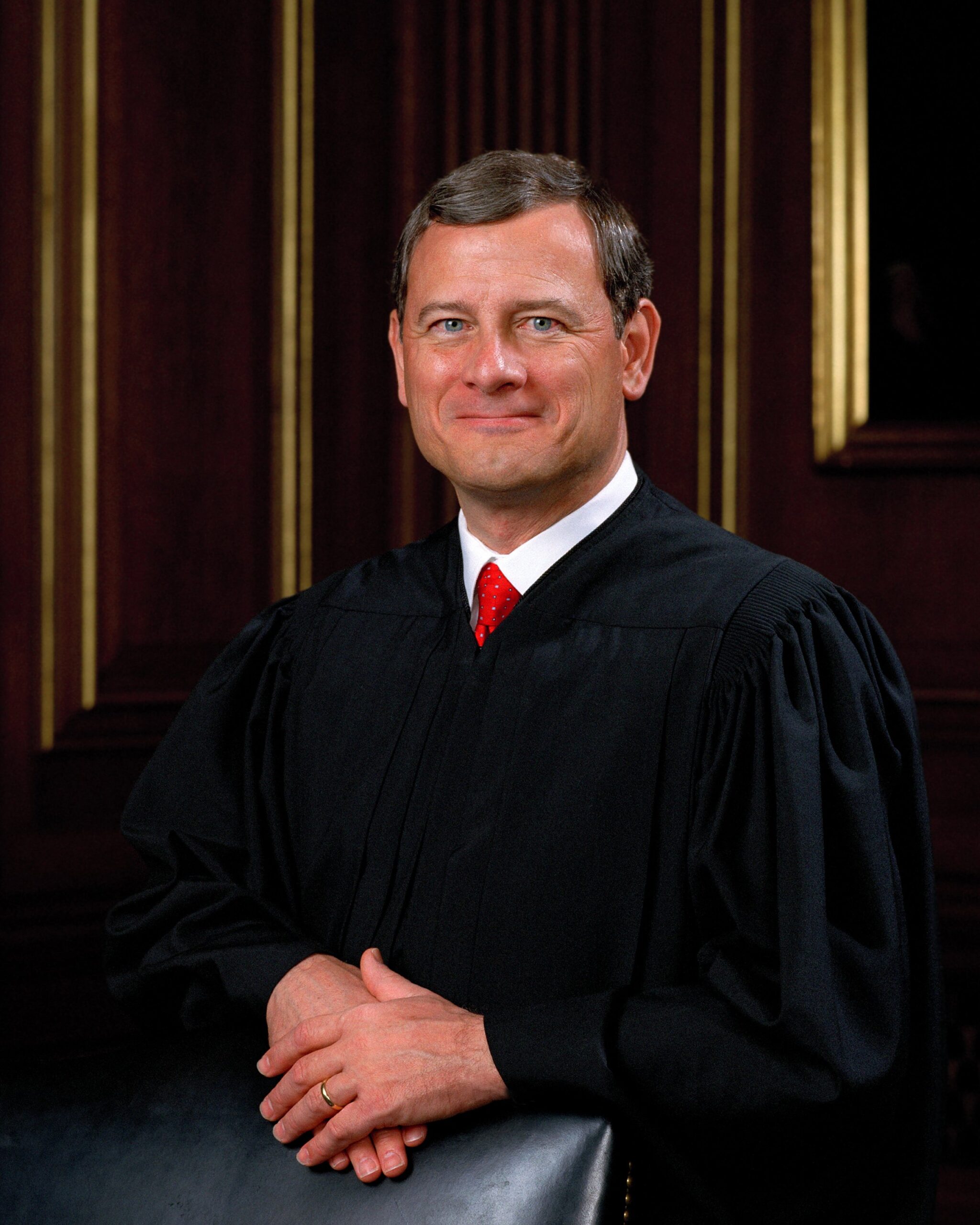
A point that shouldn’t be overlooked as we continue our learned discussions on whether the late murders ordered by and through Donald Trump are war crimes in addition to being ordinary murders (I tend toward the view that you can’t turn ordinary murder into a war crime via bogus declarations that you are in a war, and therefore creating multitudinous seas incarnadine with the blood of your civilian victims is not thereby transported into the realm of Bad And Even Illegal Things Happen in War), is that, per Trump v. United States, Donald Trump is absolutely immune from any criminal prosecution, either now or when he’s no longer president, for murdering a bunch of civilians for the sake of photo ops and campaign ads.
However, that fact is one of those socially contingent facts that can and should be altered by subsequent developments.
Specifically, when the government of the United States is no longer in the hands of gangsters, the first people to be prosecuted for Trump’s murders — preferably in an international criminal law venue — should be their prime enablers, namely the six members of the Supreme Court who voted for the proposition that Donald Trump is above the law. This should be followed by prosecutions of everyone in the chain of command that participated in these murders: prosecutions that will allow them to invoke the defense that, as they used to say in German, they were only following orders.
All this should be accompanied and ideally preceded by a long-overdue expansion of the Supreme Court, for the purposes of among many other things, reversing Trump v. United States and whatever other judicial atrocities seem most exigent to consign to the graveyard of jurisprudential history.
All of this, it’s hardly necessary to add, needs to be done with the most exquisite attention to due process, the Intent of the Framers, and so on and so forth, so we can have a full airing in the courts of the vexed question of whether murder is still bad, even if carried out “under color of law” as lawyers like to put it.