
The new conservatives
 By
By 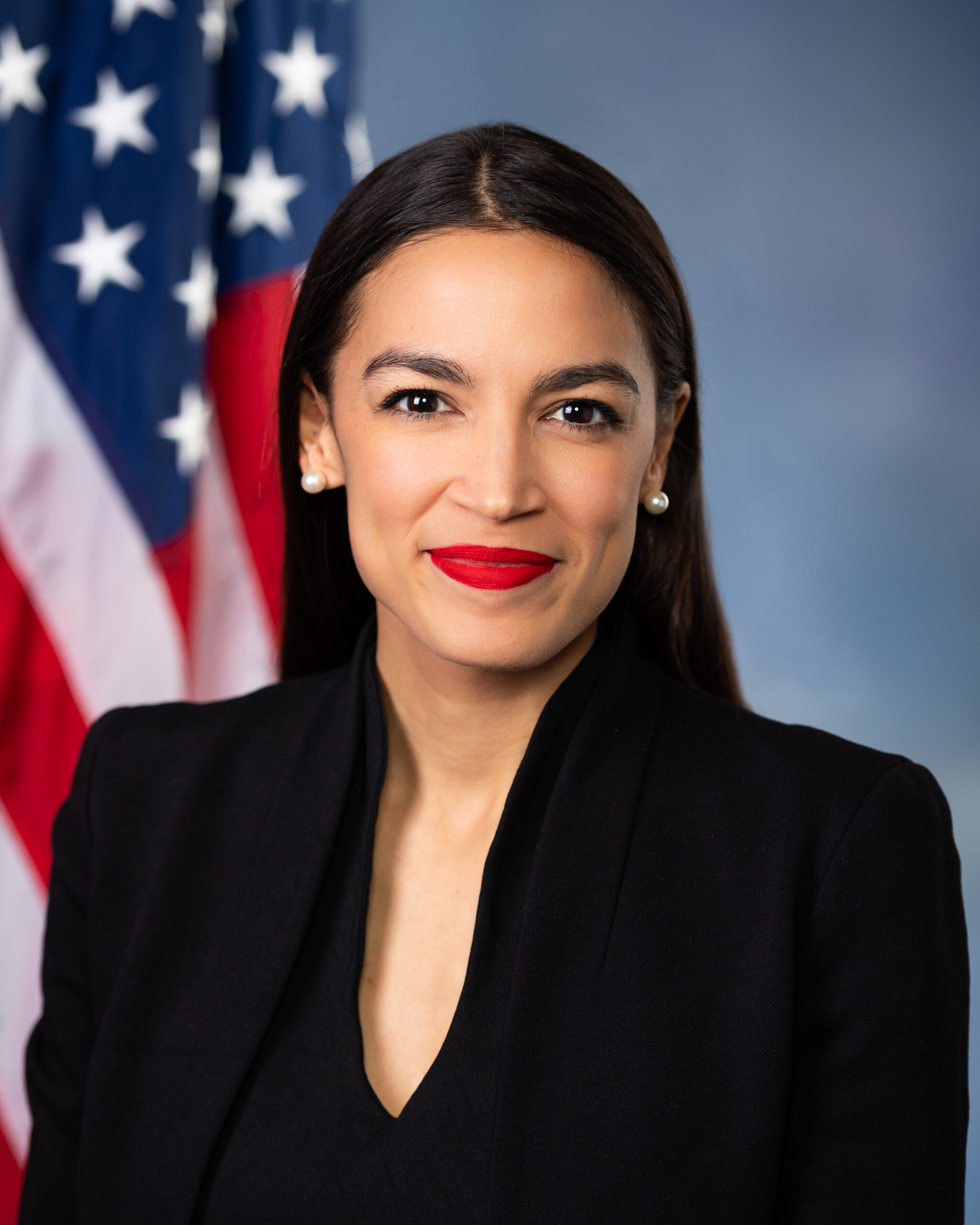
Like any other ancient political concept, the word “conservative” can mean a wide variety of things. In this regard it’s no different than words like “liberal,” or “socialist,” or “fascist” — concepts that have historically situated core meanings, and that inevitably generate plenty of edge cases. The terminology can become quite confused, so for example the “liberal” in “neo-liberal” means something more akin to what “liberal” meant in 19th century Anglo-European political thought, which would translate, or would have translated until very recently, as “conservative” in contemporary American political usage.
With that in mind, I’m suggesting here that, given the current American political landscape, one concept of political conservatism now encompasses pretty much everyone in American politics who is opposed to Donald Trump, Trumpism, and Trumpism’s formal representative in American political life, that is, the Republican party.
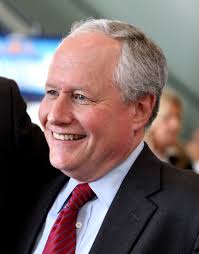
Everyone who opposes Trump, from Bill Kristol and David Frum on one end of the spectrum, to Alexandria Ocasio Cortez and Ilhan Omar on the other, is in a sense now a conservative, because what all these people are trying to conserve is the liberal democratic political order, which is under attack by radical revolutionaries, who are trying to overthrow it, and replace it with a personalist authoritarian regime that rejects liberalism in the classical sense, democracy, and the rule of law.
This was driven home to me this fall, when I taught a class on the crisis of the American legal system, which is precisely a product of the current struggle between liberal democracy and the rule of law on one side, and its Trumpist enemies on the other. I will go further and say there is no more room for Trumpism in an American law school than there is for flat earthers in a geography department, or Holocaust denies in a history classroom.
American law schools are professional training schools, and what they train people to do, at least in theory, is to be competent practitioners of law within the American legal system, which is a liberal democratic republic under a written constitution. Trumpism is opposed to all this tout court. A Trumpist in a law school makes no more sense than a proselytizing atheist in a seminary, and it’s a bizarrely perverse misunderstanding of the concept of academic freedom to assert that seminaries should be employing proselytizing atheists.
This is merely a sub-case of a much larger struggle. Those who wish to conserve the American liberal democratic order are fighting a rearguard action not against “conservatives” in any coherent sense of that term, but against radical revolutionaries who are trying to completely destroy the established legal and political order of society. That these radical revolutionaries happen to be, ideologically speaking, reactionaries rather than leftists can obscure the fact that they are trying to raze the American political project to its foundation, and not leave a stone standing.
Everyone who genuinely opposes them is, in the best sense of the word, a conservative, even those of us who believe the American constitutional order requires fundamental reform. But no matter how fundamental such reform might be, it needs to be lawful, democratic, and liberal, in the sense that it respects the constitutional rights of citizens, including the constitutional right to pursue a fundamentally different constitutional order.
Trumpism is the implacable enemy of all this, and it needs to be recognized and treated as such by all of us who oppose it.
. . . Lots of interesting comments as always.
A point of clarification: I’m not advocating that any progressives or anybody else claim that opponents of Trump are actually conservatives in the sense I’m using the word, which is to say defenders of the ancien regime. That’s a purely strategic and tactical question on which I have no particular opinion. I’m merely trying to work out the linguistic and political complexities of the moment, which as I’ve seen several people note lately resembles Gramsci’s description of a dying world in which the new world has not yet appeared, so the days are dragon-ridden or something like that.