
Election of the weekend: Colombia
 By
By 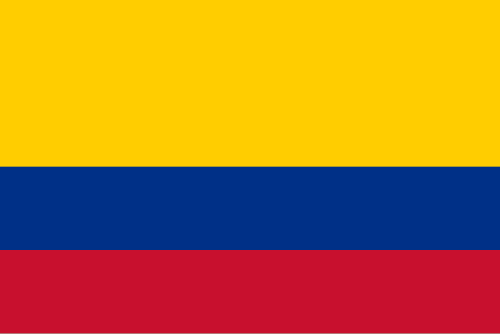
On Sunday, Colombian voters will elect a new parliament. 162 of the 183 seats will be elected via proportional representation in 33 multimember districts. The remaining 21 seats includes two seats elected to represent the Afro-Colombian community, one seat for ex-pats, one for indigenous communities, one for the VP candidate on the runner-up presidential ticket (We’ll have to wait for May or June to see who wins this seat. The remaining 16 seats are elected SMD/FPTP in 16 “Special Transitory Peace Electoral Districts.” Electors in these districts vote twice, once for a party in their larger MMD and once for a candidate in their STPED seat. These seats are a result of the 2016 peace treaty with FARC, and these districts represent areas that were particularly negatively impacted by the war with FARC. The Senate has 103 seats, 100 through nationwide party list PR and 2 elected by the indigenous community. The 103rd Senate seat goes to the runner up in the presidential election in two months. Another noteworthy provision of the peace treaty with FARC: the political party that FARC became, Comunes, is guaranteed at least 5 seats in each chamber. These special treaty provisions are scheduled to sunset under current law after 2030 (for the guaranteed seats for Comunes) and after 2034 (for the STPED seats). Today’s election will also include presidential primaries for the 5/31 first round presidential election. If necessary, a runoff will occur in mid-June.
There appear to be many parties attracting small amounts of success, according to the limited polling available, but Historic Pact, a coalition of various left-wing parties led by current president Gustavo Petro (who is ineligible for a second term), appears to be the leading party, followed by Democratic Centre: Firm Hand, Big Heart, a conservative party led by former president Alvaro Uribe. Taken together they’re polling between 40-50%, with around 15% undecided and ~40% going to other parties. The Historic Pact agenda is largely to complete Petro’s ambitious agenda. His pension and labor reforms have mostly passed but his tax reforms and plans to expand public health care have not.
While Colombia is much better off from a security perspective than it was for most of the recent past, elections still attract violence and concerns about election integrity. (Petro himself claimed that around 390,000 votes for the predecessor to Historic Pact were only counted in the 2022 recount due to the presence of international observers.) The New York Times ran a good story on election related violence today:
In the run-up to the vote there has been a spike in homicides, kidnappings and death threats against politicians and party activists that has raised alarms among election monitors and political parties.
Experts said the current cycle of political violence is the most serious since Colombia’s landmark 2016 peace accord with the Revolutionary Armed Forces of Colombia, or FARC, meant to end a brutal decades-long internal conflict. The FARC’s disarmament left a power vacuum filled by other groups that compete over land, money and control of drug routes.
Since last year, the United Nations has tracked 32 homicides and more than 120 threats and attacks against political leaders in Colombia. The Electoral Observation Mission has issued alerts for 185 municipalities, or about 16 percent of Colombia’s municipalities, where it said the risk of “electoral fraud and violence” was alarming.
The violence has been concentrated in rural parts of the country where armed groups have been accused of coercing residents to vote for their preferred candidates and of retaliating against politicians they consider a threat to their interests, such as drug trafficking and illegal mining.
The security concerns pose a key test for Colombian officials and their ability to safeguard elections ahead of a crucial presidential vote in May to replace Gustavo Petro, the country’s leftist president, who is barred from running for another term.
The recent violence comes as the Colombian government has suspended peace talks with other armed groups and has vowed to aggressively go after drug traffickers amid pressure from the United States.
Colombia is still reeling from the assassination last summer of Miguel Uribe, a presidential hopeful and grandson of a former president who was shot during a rally in Bogotá, the country’s capital. His murder shocked Colombians who believed they had moved past an era when armed insurgents and drug cartels routinely killed and kidnapped politicians and other high-profile figures.
Voting will conclude at 4:00 PM Colombia standard time, or 5:00 EST, so we should start learning something about preliminary results soon.