
The Data Center Backlash
 By
By 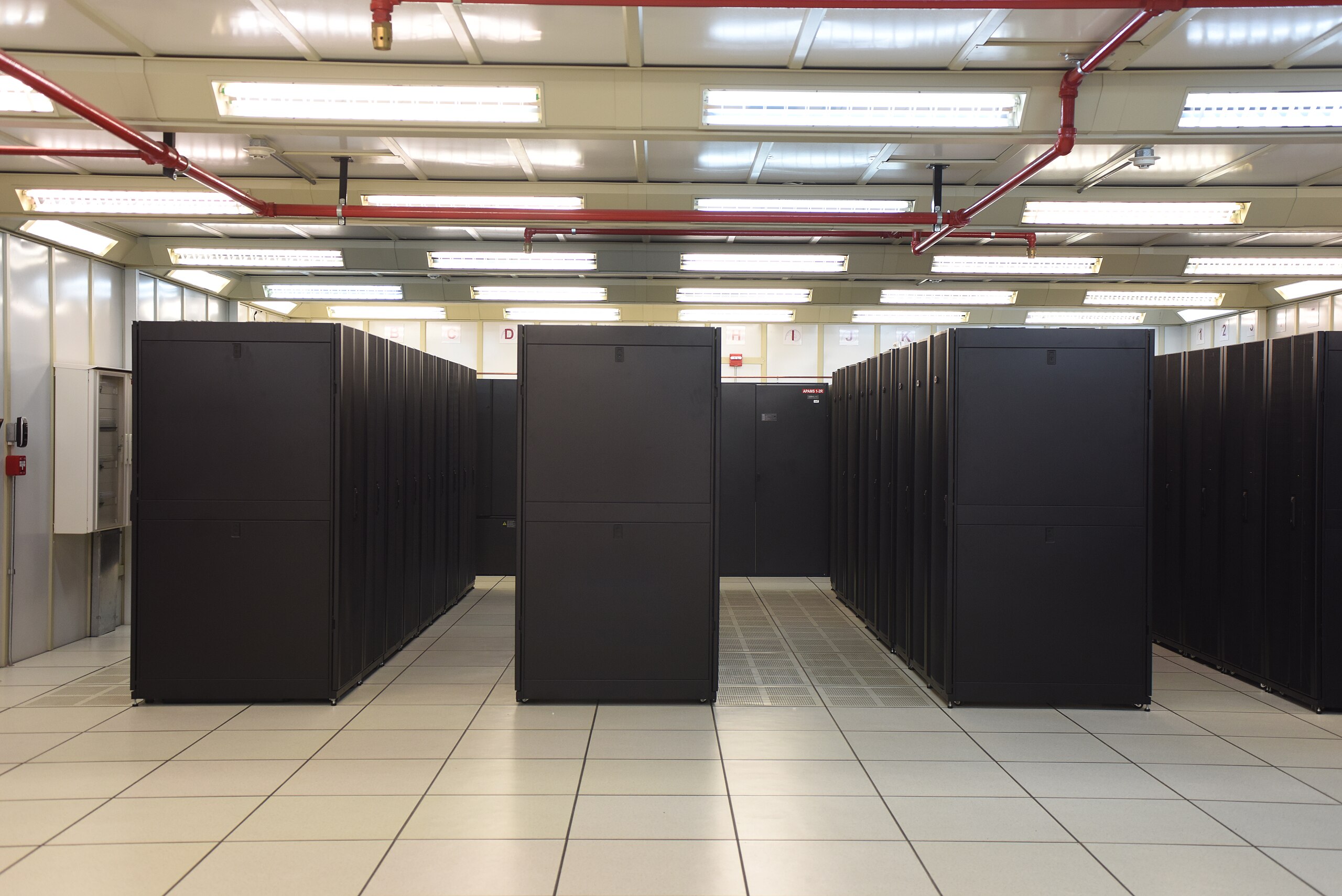
Normal people don’t care too much one way or another about AI. Basically, it’s major uses so far seem to be for students to cheat on papers and for people to not have to write emails to each other. Not exactly the revolutionary ideals of its founders. But the promise of endless profit through mass unemployment is driving the biggest bubble we’ve seen in decades. What normal people do care about though is their electricity prices and the fact that AI alone is erasing every bit of progress we’ve made on sustainable energy and driving electricity prices through the roof for regular customers might be the biggest tool we AI haters have in our toolbox.
The data centers that power the artificial intelligence revolution are driving up electricity prices for households — and price relief may not be coming anytime soon, according to energy experts.
Residential retail electricity prices in September were up 7.4%, to about 18 cents per kilowatt hour, according to the most recent data from the Energy Information Administration.
Electricity prices closely tracked inflation from 2013 to 2023, but will likely outpace inflation at least through 2026, according to an EIA forecast from May. Some regions will be hit harder than others, it said.
Energy experts and economists point to electricity-hungry data centers that underpin AI projects as a key reason for the price inflation.
That they use tons of water as well is leading people in the American West to reject the building of data centers entirely:
The Tucson city council voted unanimously to reject Amazon’s planned Project Blue AI data center campus, while locals cheered the decision.
Mayor Regina Romero said that the city would also look to place limits on future data centers “to protect Tucson from this industry that is already here in Arizona.”
Led by development firm Beale Infrastructure, Project Blue is a 290-acre site that was set to initially host three data center buildings. Reports suggested that up to 10 buildings totaling two million sq ft (185,805 sqm) and 600MW were ultimately planned.
Beale, owned by alternative investment asset company Blue Owl, was the public face of the project, with Amazon Web Services’ involvement accidentally released to local publication Arizona Luminaria.
The data center has been under discussion by local officials since at least 2023, according to emails between county administrators and real estate investment firm Diamond Ventures. The county has been under a non-disclosure agreement since at least June 2024.
Local protestors criticized the lack of transparency and secrecy about the project, which was set to see its first data center go live in 2027.
Also in contention was the news that the site would use drinking water for its cooling systems for at least the first two years of operation until it could switch to using treated wastewater once a new water line was completed. That line would combine reclaimed water with treated, previously-contaminated water from a Superfund site.
Arizona is in the midst of a lengthy drought, with the state recently passing legislation to restrict water usage.
None of this is ideological against AI, which to be clear is the most anti-human invention ever created. Again, I might care a lot about this, but most people don’t. But as we’ve seen over and over again, voters will ignore everything else in favor of their pocketbooks. This is true of the election of Trump last year but you can also trace the real decline of Reconstruction to voters switching to Democrats in the 1874 election thanks to the Grant administration and its allies creating the Panic of 1873. And these data centers take up such an insane amount of electricity that it’s the tool to lead a backlash.
We’ll see of course, but I can be hopeful for once.