
Zipline drone operator, why can’t I see you later?
 By
By 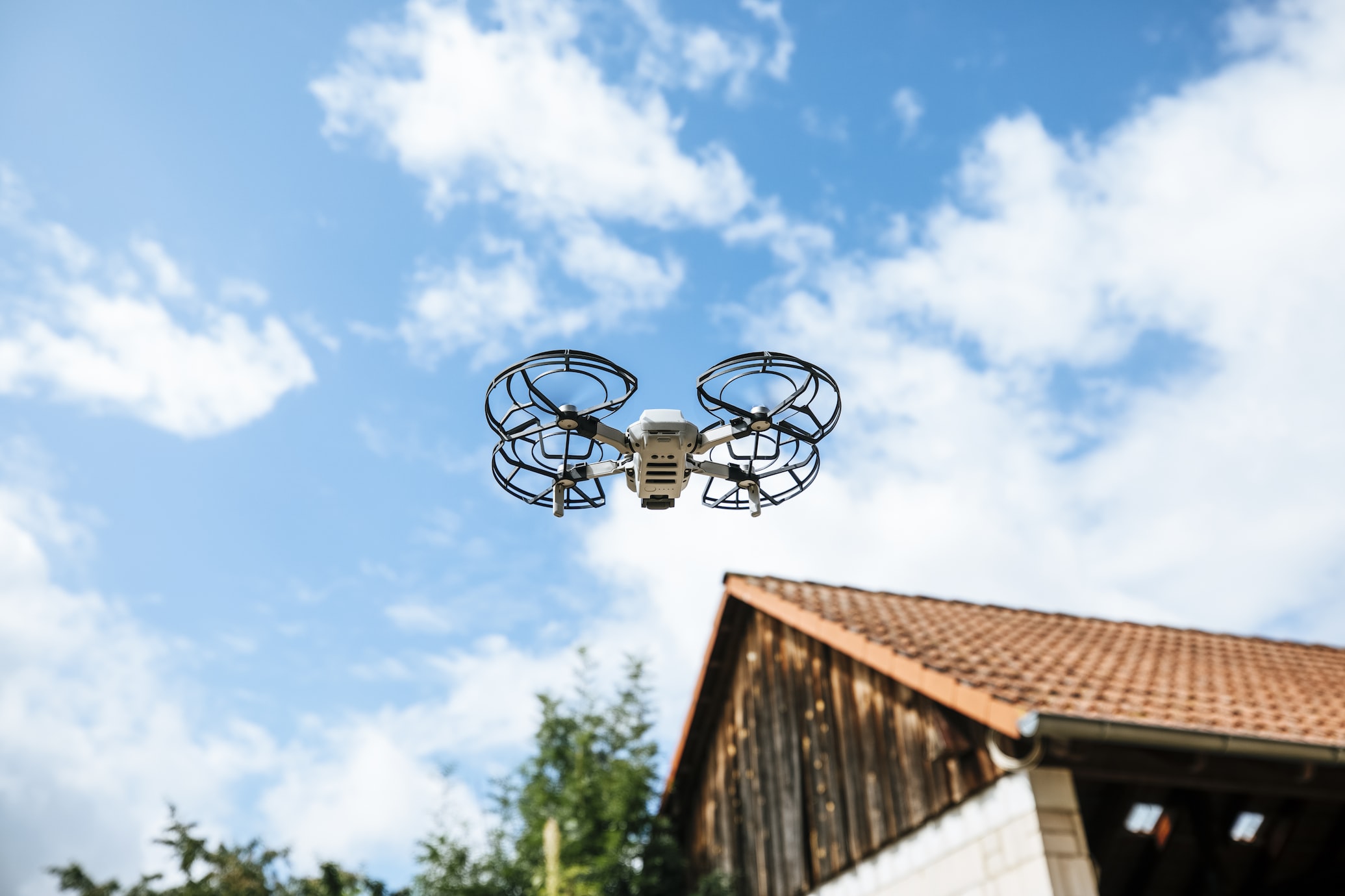
Thanks to the Magic Circle of Safety around D.C., delivery drones will not be a thing in my part of the world. And despite frenetic headlines and ledes like this one from Axios, 2024 will not be the year of Operation Egg & Soup Drop Across America.
I will say at the outset that I know shit about FAA regulations. But I do know a little about how regulatory agencies work, and how reporters who don’t exclusively cover regulatory agencies write about regulations. About as well as reporters who aren’t science reporters cover science.
After more than a decade of development, delivery drones are finally going mainstream this year.
Still, they won’t be quite as ubiquitous as the blue Amazon vans or brown UPS trucks in your neighborhood — yet.
What’s happening: With some (but not all) regulatory hurdles cleared, retailers, medical centers and logistics platforms will start offering drone delivery in many more suburban neighborhoods in 2024.
Or, to put it a more boring and factual way: The FAA has wrapped up phase II of a pilot program, which stems from an EO signed by TFG, and concluded that it is feasible to allow commercial use of drones that operate beyond the operator’s visual line of sight, in the U.S.
Background: Until recently, commercial drone operators weren’t permitted to fly their aircraft long distances without visual spotters.
Having observers staged every mile or so along a drone’s route is impractical and costly, which is why companies couldn’t afford to scale up drone deliveries.
According to the FAA’s definition, BLVOS refers to the drone’s operator. It seems that the agency also required on-the-ground spotters during some pilot programs.
Instead, they were limited to trips within a mile or so of retail partners like Walmart and Walgreens
Driving the news: That changed last fall when the Federal Aviation Administration began authorizing some drone operators to fly their aircraft “beyond the visual line of sight” (BVLOS).
The FAA still has to decide how to add drones that are being operated by people who can’t see the drone, and are motivated by money, to U.S. airspace. They may be … some time. The agency is not working against a legislative deadline. The agency might focus on commercial drone use in remote areas for tasks like delivering medical supplies or inspecting infrastructure.
And drone companies are still grappling with other challenges. Such as the last meter problem. Amazon needs at least 17′ of clear space for a drop off. Don’t have a yard that big? Tough on you, prole. In addition, one does not simply fly a drone into Mordor. One must first pass an extensive approval process.
I think there are some more problems that will make it difficult for drone delivery to become the next hot thing in the U.S. (in no particular order):
- Conspiracy-mongers who own guns.
- Bored weirdos who own guns.
- People who want to see what the drone is carrying and own guns.
- Other violent freaks who own guns.
Because there’s nothing more Mericun that shooting things because you don’t like them or just because they’re there.
And this is an aside, but since I’m picking on press releases that are poorly disguised as reporting, why not?
Your grandchildren will wonder why anyone used a multi-ton vehicle to deliver a 5-pound package.
I hope that people’s grandchildren understand that delivery trucks didn’t deliver individual packages one at a time, and that multi-ton vehicles were used involved in the delivery of their cheezy poofs, even if they were dropped off by drone. In short, I hope that people’s grandchildren are smarter than the reporters burping up this stuff.
