
The knockoff effects of Trump’s war
 By
By 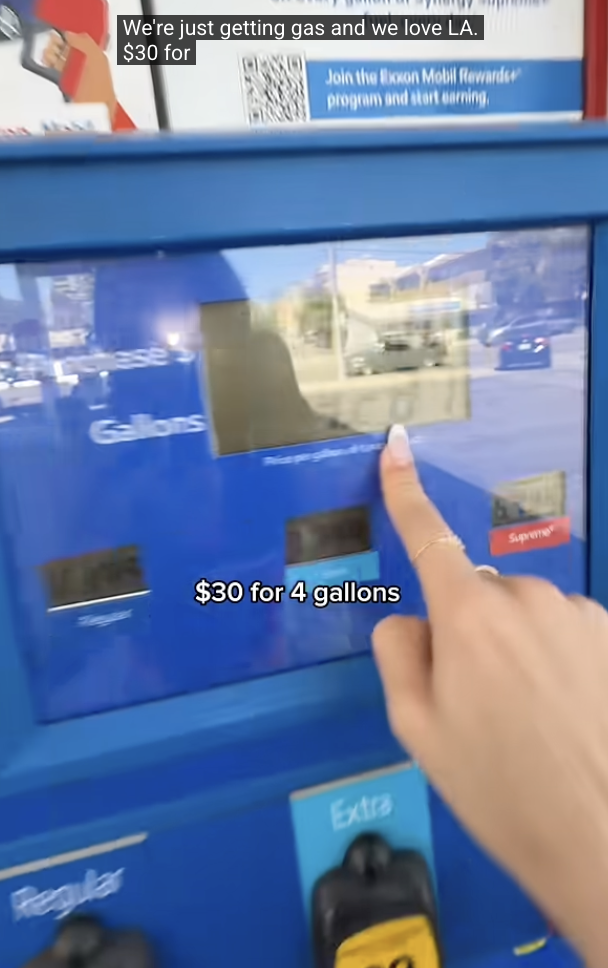
As bad as the impact of the MAGA war on Iran will be on the economy of the United States (and particularly for many consumers who can’t easily afford sudden and unnecessary price hikes), it will be even worse in numerous other regions, and the effects won’t go away quickly even if Trump can figure out a way to declare victory and go home (and don’t bet on that):
No matter how much longer the United States and Israel’s war with Iran lasts, the world’s energy system will be grappling with its consequences at least through the end of the year, if not for far longer.
The biggest short-run effects of the Iran energy crisis will be felt in Asia, where economies that run on Persian Gulf oil and gas face shortages and higher prices. The supply shock has — and will — drive up prices, leading oil and gas producers who aren’t stuck behind the Strait of Hormuz to seek higher returns. Much of the continent is already in the midst of an energy crisis, complete with fuel rationing and top-down policies to reduce oil and gas consumption.
In Australia, gas stations are running out of diesel. The government of the Philippines adopted a four-day workweek to reduce commuting. Pakistan announced a two-week school closure. Nepal is rationing cooking fuel. Thailand’s prime minister told civil servants to take the stairs, and the government set air conditioning to a minimum 79 degrees Fahrenheit.
Around the world, coal use is rising. Gasoline prices are on the way up, even in the United States, which is a net exporter of crude oil and petroleum products. Even if the war were to end tomorrow, oil and gas markets are likely to remain tight for many months to come.
Just as the oil shocks of the 1970s transformed the economies of the then-rich world — spurring the takeoff of nuclear power to in Japan and France; pushing the U.S. to direct R&D funding and subsidies to solar and shale gas; motivating carmakers around the world to developer smaller, more fuel-efficient vehicles — so too will this crisis likely transform how the entire world structures its dependence on oil and gas. It maybe already has.
Zeitlin goes through this sector by sector, and I would recommend clicking through. Not all of the long-term effects will even be bad, but the fact that the administration bringing us this war is also fanatically opposed to renewable energy complicates even some of the upsides.