
Military Power is a Wasting Asset
 By
By 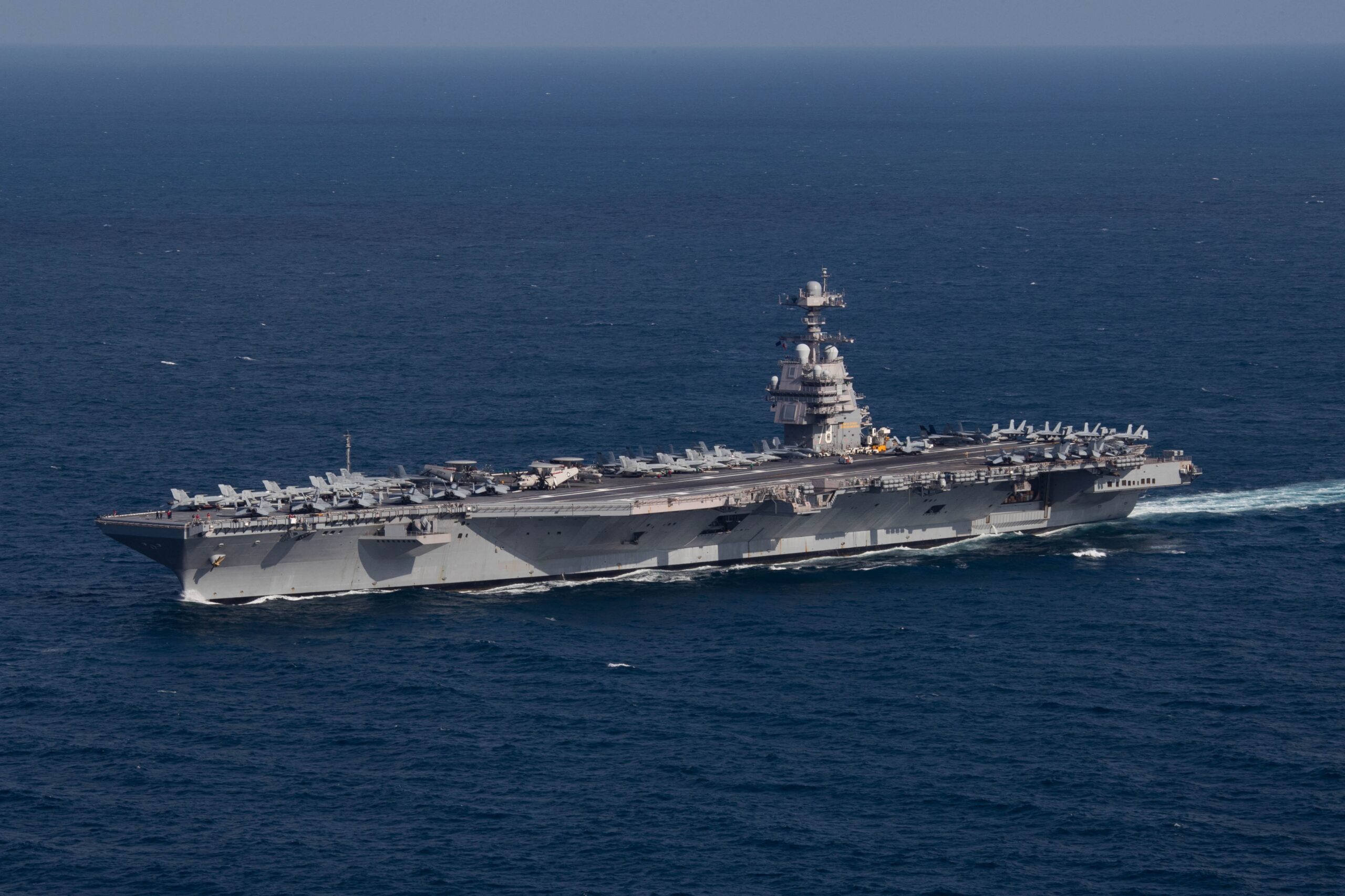
The whatever-it-is-we-are-doing-off-Iran is having real world consequences for US sailors:
One sailor missed the death of his great-grandfather. Another is thinking about leaving the Navy after almost a year away from her toddler daughter. Two more said the ship had sewage problems.
President Trump’s decision to extend for a second time the deployment of the aircraft carrier USS Gerald R. Ford is taking a toll on the ship’s sailors and their families, and leading some to consider leaving the Navy when they return to home port, according to interviews with sailors on board the ship and their family members back home.
The Ford, the U.S.’s largest warship, has been at sea since last June. In October, the Pentagon rerouted the ship from its scheduled Mediterranean mission to the Caribbean to support oil-tanker seizures and the U.S. operation to capture Nicolás Maduro, then Venezuela’s leader.
Then earlier this year, the crew got word that their deployment would be extended again, taking them back across the Atlantic Ocean to the Middle East to support potential American airstrikes on Iran. The Ford transited the Strait of Gibraltar on Friday, heading east, according to a satellite photo obtained by The Wall Street Journal.
Carrier deployments during peacetime are typically six months long, with planners allowing for a few months of potential overrun if needed, said Mark Montgomery, a retired rear admiral. But the Ford’s sailors have been away from home for eight months already, setting up a possible deployment of 11 months, he said. That would break the record for a continuous deployment by a U.S. Navy ship.
For the last couple of years I have assigned on Seapower Day in my Defense Statecraft course this ProPublica article on the crash of the USS Fitzgerald. Life for a deployed sailor at sea is difficult, and deployment schedules are designed to maintain the health and effectiveness of the crew and the maintenance needs of the ship. When those schedules are disrupted crew effectiveness declines and the technology can cease to work. This is not intelligible to a guy like Pete Hegseth, but it is a fundamental reality of human capital management and the management of advanced technology. That this is being done in service of an operations that lacks any convenient strategic logic only makes the situation worse.