
Erik Visits a (Non) American Grave, Part 2,068
 By
By This is the grave of J.M.W. Turner.
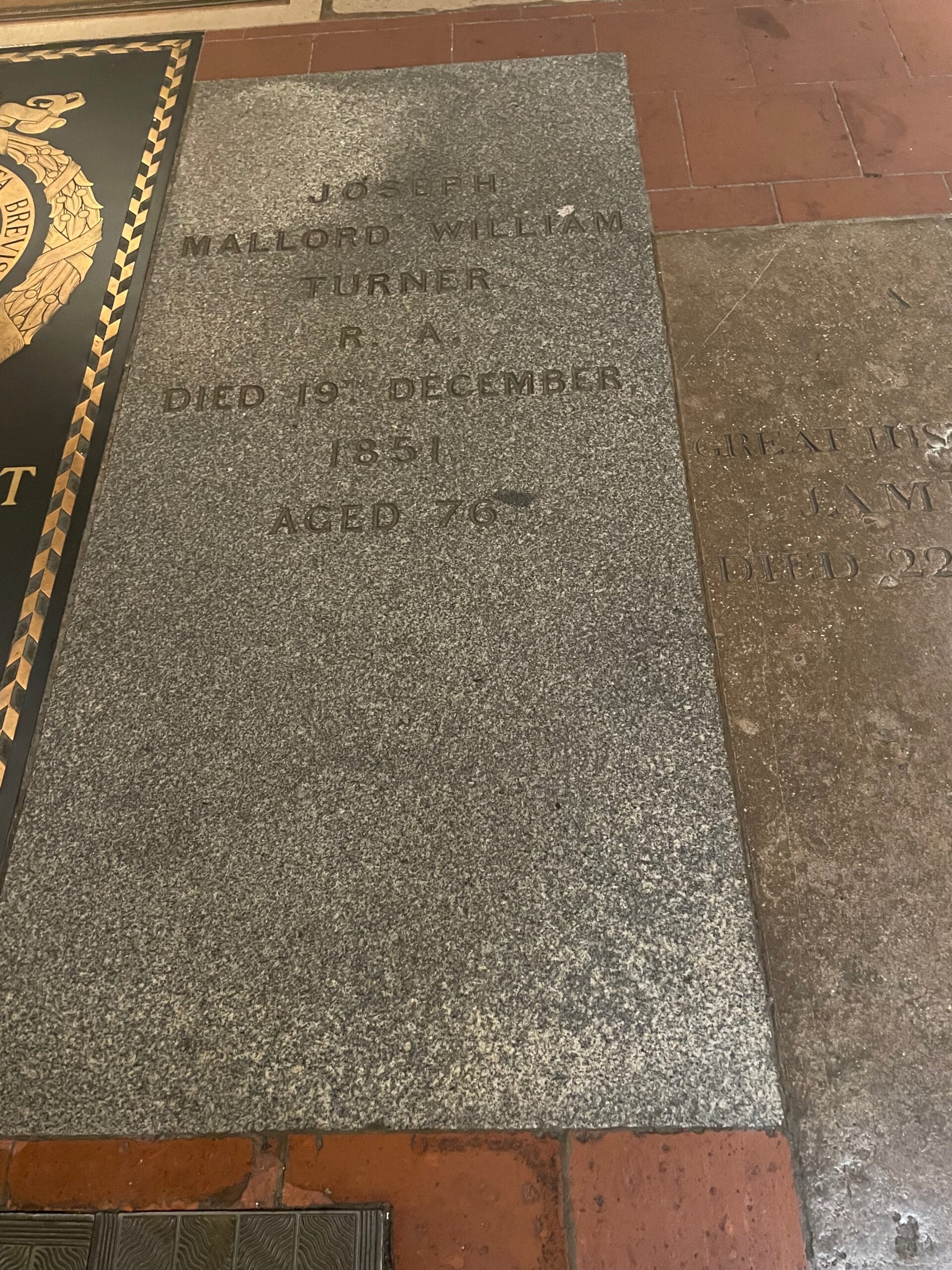
One of the most universally popular painters of the early nineteenth century, Joseph Mallord William Turner was born in London in 1775. The family was OK financially, but hardly the kind of the elite family that usually produced artists in this class-bound society. His father was a barber and wigmaker. His mother brought no money into the relationship–the men in her family were butchers. So this was a solid working family but no more. But Turner largely grew up in the house of his uncle. His mother had mental illness and ended up living in asylums for her later years. Turner’s uncle was a butcher and reasonably well off for one. So when the young Turner started drawing, the family was supportive. They put up his pictures in their various shops and people noticed them. He became a student of the painter Thomas Malton, a successful man who specialized in painting city scenes. He taught the kid a lot.
So in 1789, at the age of 14, Turner was accepted into the Royal Academy. He did very well. Over the next ten years, he learned all sorts of techniques and produced some quality works. He started doing the European circuit like many artists, learning from the French and Italians. He exhibited his first painting at the Royal Academy in 1796. Fishermen at Sea is the kind of dark, semi-realist painting of the peril of the topic that proved popular. And to say the least, the ocean would remain a major interest of Turner.
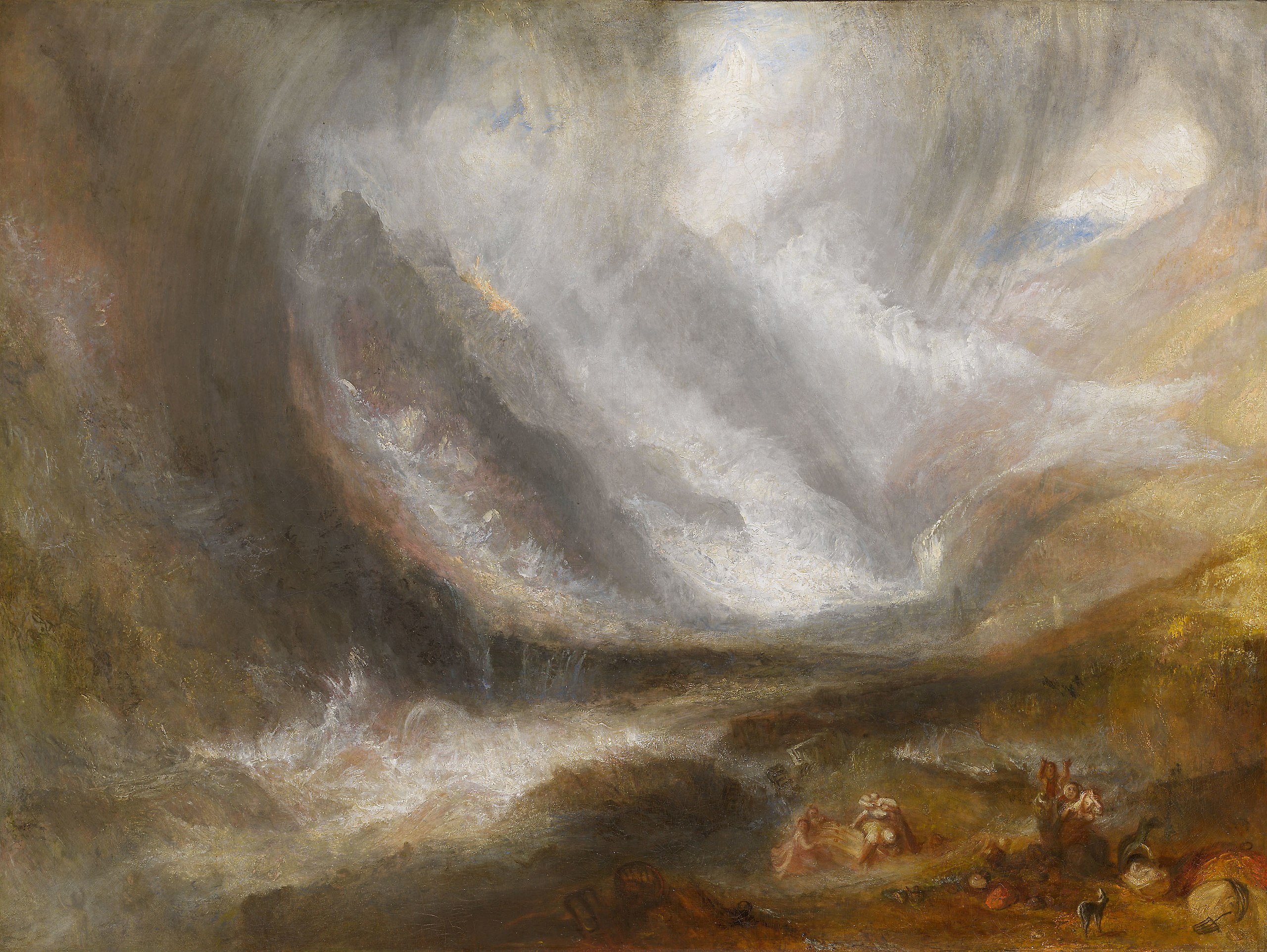
Because he could sell his paintings, Turner became financially independent pretty early in his career. He also was a successful printmaker starting in 1806, which made him a good bit of money too. A great master of water color, he could paint almost anything. He did a lot of sea pictures throughout his career of course and could also do a very dramatic battle scene, both on sea and on land. With the latter, his 1812 painting Snow Storm: Hannibal and His Army Crossing the Alps provided a good example, with the snow basically looking like a giant wave about to engulf the troops.
But it was really from the 1820s when Turner became an all-time master. This is when he turned his abilities to his gigantic ship paintings, his big storms, his big naval battles. Think about his 1822 painting The Battle of Trafalgar, presenting the British with a huge visual of the still recent battle. He painted this as his only royal commission, when George IV wanted the Hanover dynasty linked with British military success. So the painting covered three reception rooms at St. James Palace and now resides at the National Maritime Museum in London. It’s power on display. He would revisit Trafalgar through his career. Another of his great masterpieces in the 1838 picture The Fighting Temeraire, which was one of the ships which fought that battle. It portrays it being tugged off to be broken up, a finished ship that represented the end of an era.
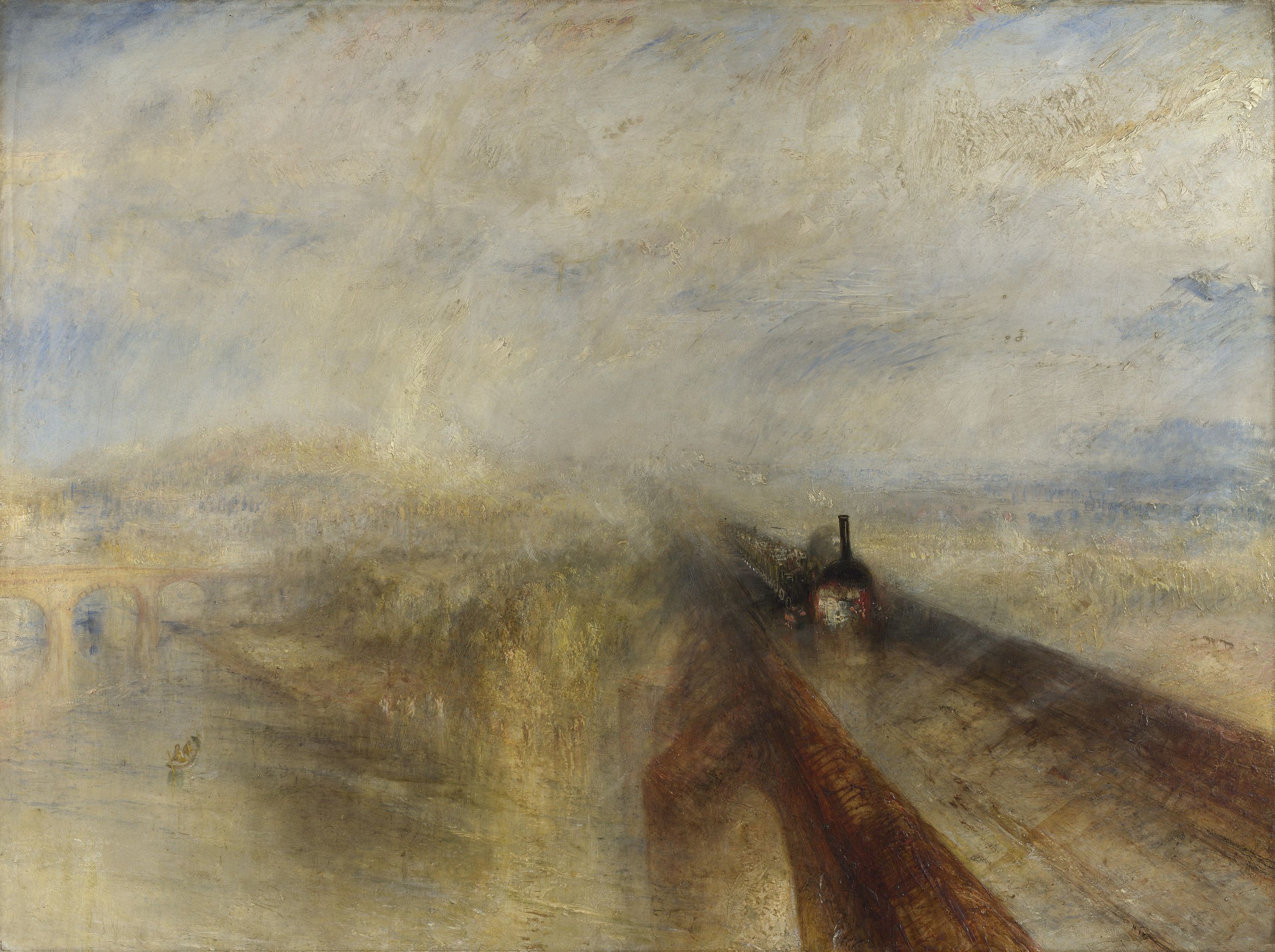
Turner was perhaps the best and most beloved figure of the romantic era of British painting. He was a master of both oil and watercolor. He was also a forward thinking person. At the time, when he painted something like 1840’s Rain, Steam, and Speed, it was seen as almost unseemly for a man like Turner to be interested in something so vulgar as trains. But he saw the future of transportation as clearly as he had seen its past. So like a lot of his paintings, that work got a lot of criticism at the time, but later became among his most beloved works. He always stayed up on the most recent art advancements too, often traveling to Europe to check things out, old and new.
Oh, it’s always worth noting that like any good rich white, Turner used his new wealth to invest in slavery. He bought a share in a Jamaica plantation that of course used slave labor. Many of his commissions came from those who were rich because of the labor of slaves as well. This must always be remembered and centered in our analysis. Modern fortunes from a lot of rich people should be expropriated by the state for relying on slave labor for their foundation.
Turner turned into a crank and nut in his later years. Depression was always a serious issue for him and there wasn’t exactly any way to treat it back in his lifetime. He was also seen as an eccentric and hardly lived according to early Victorian norms, including never marrying his partner, a widow with whom he would have two daughters, one of which died as a small child. In 1841, the British government had a census. Turner rowed into the Thames for the entirety of it so the government would avoid his existence. Unsurprisingly, a man like that was not good with his money and after 1845, he had spent everything. He lived in real poverty in his last years, dying in 1851, at the age of 76.
Many find Turner to be the best painter in British history. The Guardian had a piece arguing this just last year, on Turner’s 250th birthday, which has led to a lot of retrospectives and articles on him. One can obviously disagree. But does anyone not enjoy seeing a Turner? Does anyone not find these paintings arresting? Probably they do, but I enjoy them when I see them. The combination of light and subject matter just remains tremendously appealing.
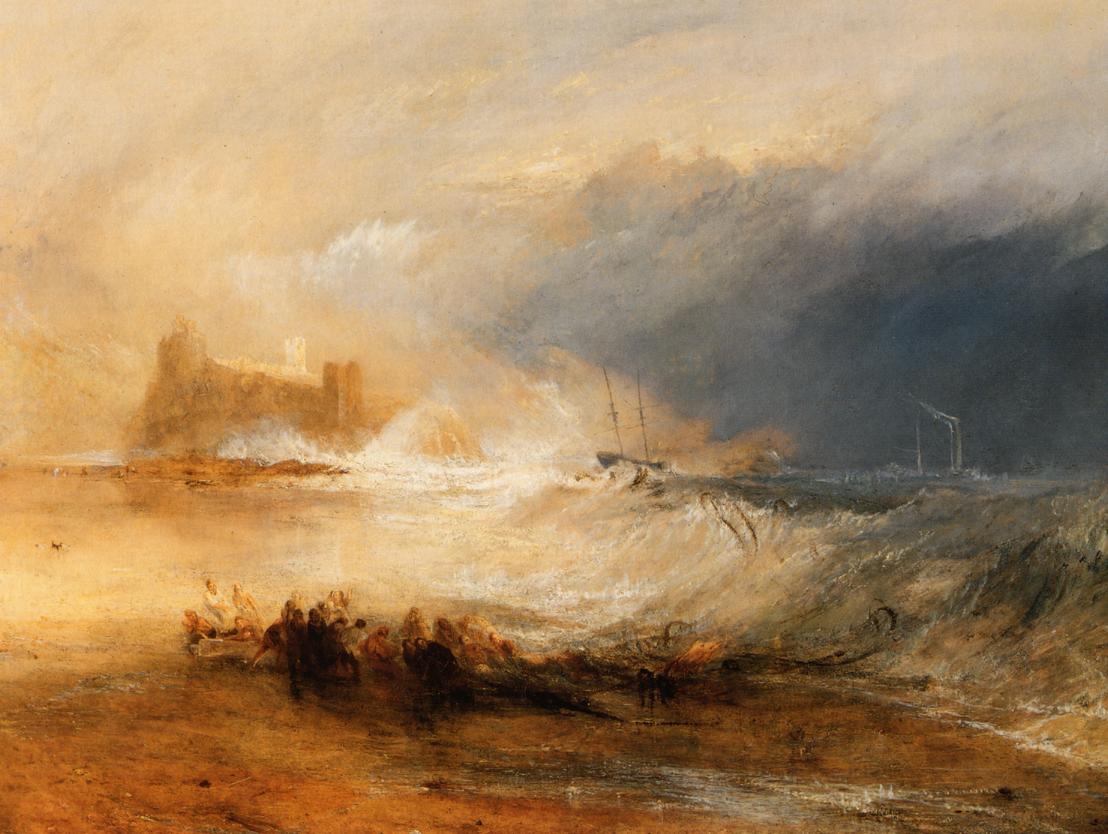
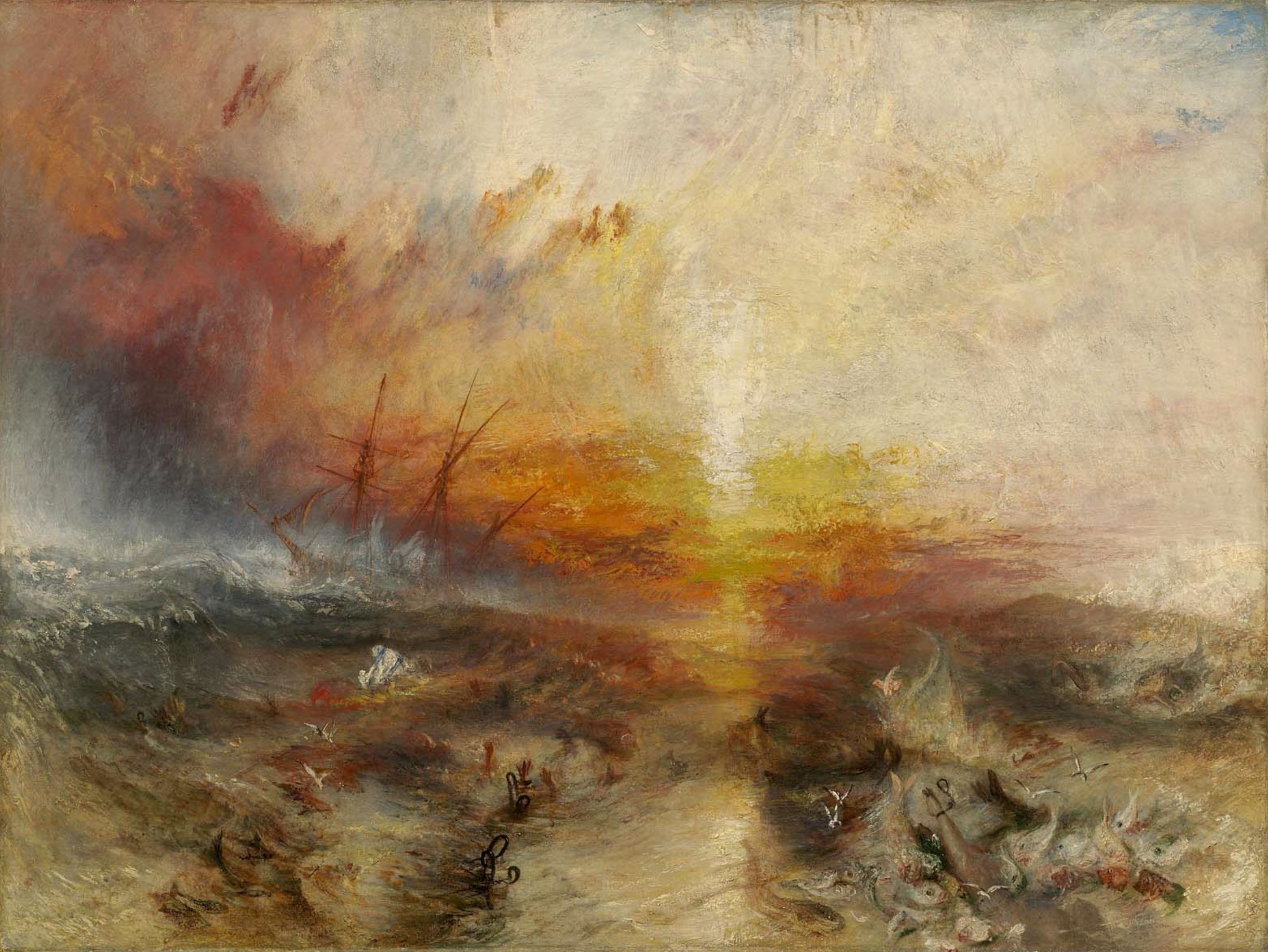
Let’s just look at some Turner, that’s a lot more interesting than a biographical piece anyway:


If you would like this series to visit 19th century American painters, you can donate to cover the required expenses here. Olof Krans is in Knox County, Illinois and Thomas Eakins is in Philadelphia. Previous posts in this series are archived here and here.