
Building Without A Foundation
 By
By 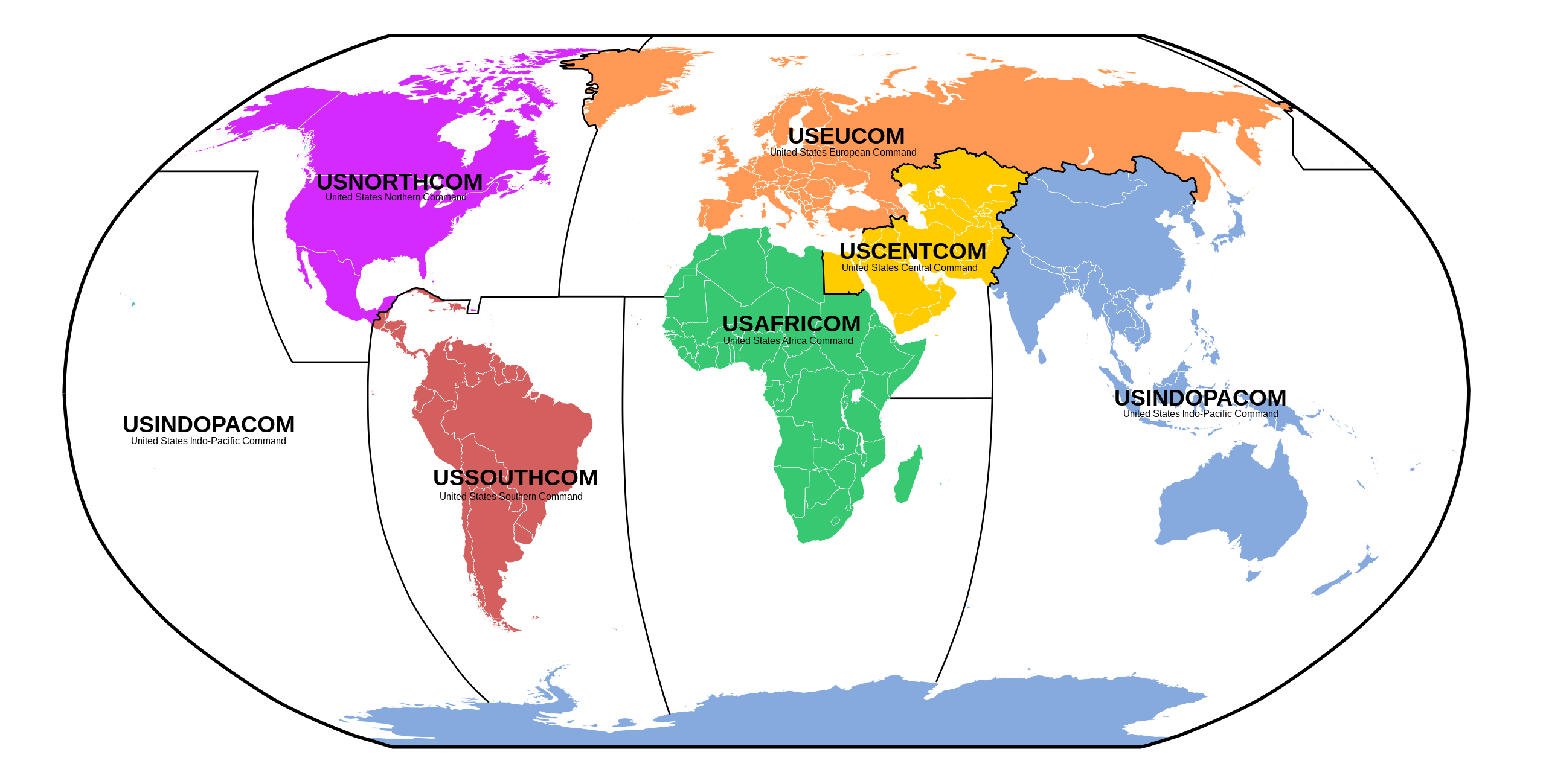
Pete Hegseth is trying to do something that can’t really be done without the support of Congress:
It’s worth our while to listen to ideas that could modify institutional structures created under vastly different geopolitical conditions.
But there’s a problem. Goldwater-Nichols was a significant revision of how the United States conducted security, and it was hard work. The 1947 National Security Act was similarly hard work, but both bundles of legislation were designed to make lasting reforms that would establish long-standing institutions.
Both required immense bipartisan work in Congress, with significant intervention from the executive branch and the uniformed services.
Conflict was often brutal, and the consequences of the legislation were sometimes unpredictable. When it was done, there was nevertheless the sense that the machinery of the United States government had gotten something done.
But, that’s not what’s happening here. There’s no hint of any effort to engage with Congress or allow extended debate on what the new system will look like. Thus far, all indications suggest that the reforms will be initiated in the executive branch with limited outside input.
Indeed, limiting outside input seems to be a feature, not a bug; increasing decision-making speed is one of the reform’s rationales. This means that core constituencies who will be affected by the decisions do not influence how they are made.
And of course, noting the prospect for reform doesn’t make any particular reform sound. Secretary of War Hegseth has done little to earn trust either domestically or internationally, and the prospect of a major reform on his watch justifiably strikes many observers as terrifying.
The evident exclusion of Congress from this reform process does not imply confidence that the reforms will be well considered or have a broad base of support within or outside government.
Finally, what is done exclusively by executive action can easily be undone exclusively by executive action. The 1947 National Security Act established a system that the national security bureaucracy could rely upon, with marginal revisions, for decades. Goldwater-Nichols did the same.
Hegseth’s reforms, if not supported by a deeply divided Congress, may not survive Hegseth. It hardly seems necessary to note that conducting major reforms to how the Pentagon does business every four years is bad for the national security of the United States of America, which is why previous efforts engaged with, rather than avoided, Congress.
Republicans have bought heavily into the idea of bureaucratic inertia (draw from James Q. Wilson, among others) to the degree that they believe that the changes they have set into motion will be incredibly difficult to roll back, simply by virtue of the new incentive structures that they create. This isn’t entirely wrong… but it is mostly wrong. Many of the things that the Trump administration hath wrought on the US government are eminently reversible, especially given that Trump hasn’t worked very hard to generate buy-in from GOP congress critters (intimidated silence isn’t buy-in). If I’m allowed to be mildly optimistic, this means that much of the evil that Trump has accomplished can be undone by the next Democratic President, who under an appropriate degree of pressure from the base should most definitely begin his/her term with a program of effectively erasing Trump from history.
Starting with the damn plaques.