
Election of the weekend II: Benin
 By
By 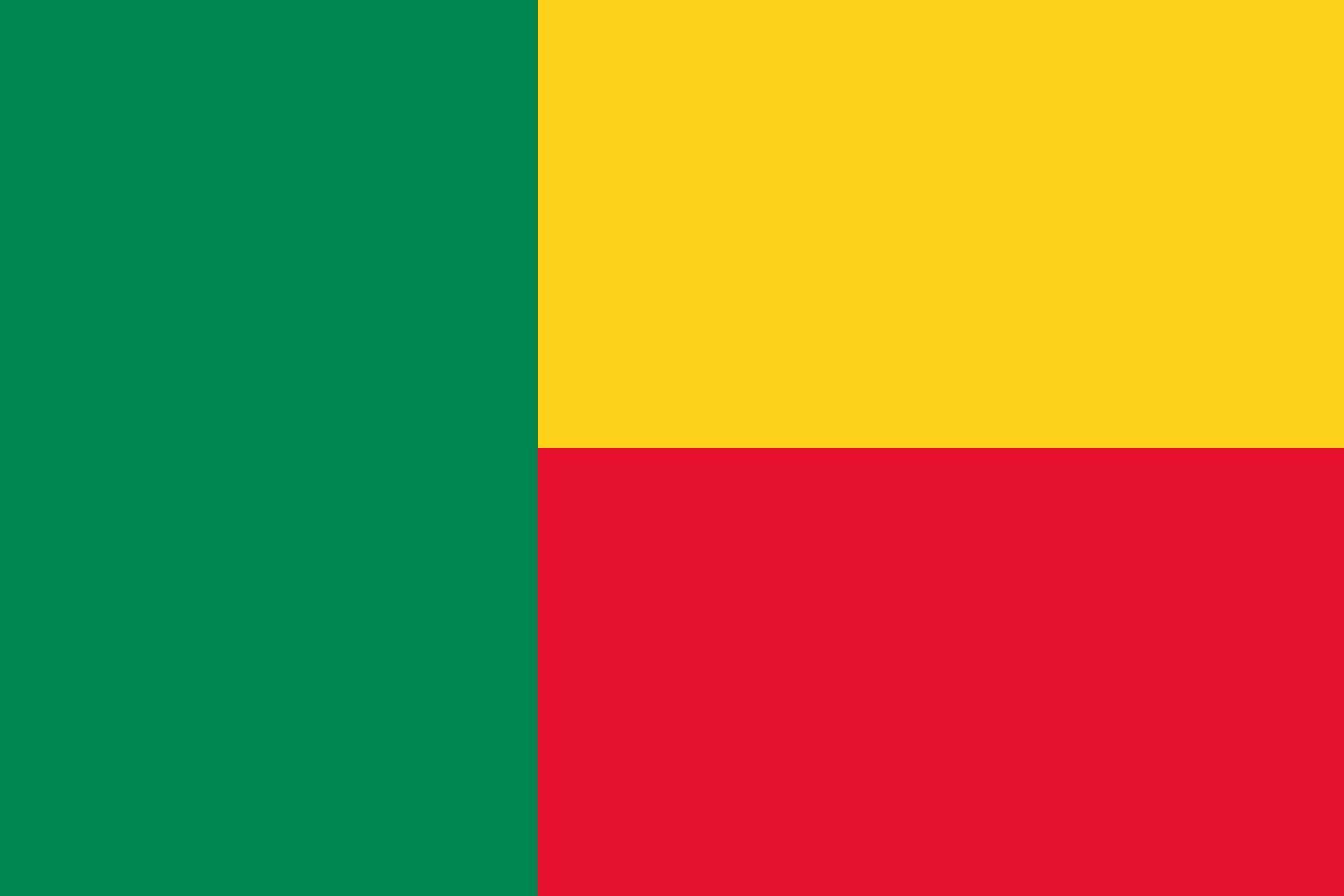
As voting is wrapping up in Djibouti, let’s talk about our second election this weekend, also an African presidential election. On Sunday Benin will select a new president. Patrice Talon, a wealthy businessman who is wrapping up his second term as President, was widely believed to be considering a third term (which would require some legal changes) but announced in January 2025 he would not seek a third term. He probably could have had it if he wanted it; he won with 65% in his initial election and was re-elected with 86%, and the only two parties to win seats in January’s parliamentary election (sorry I missed that one!), the Progressive Union Renewal and the Republican bloc, are Talon supporters.
Although to a lesser degree than the parliamentary election, this election is taking place in the shadow of December’s attempted coup. It began in dramatic fashion, as the putschists took control of a state-run broadcast studio and announced on live TV they’d toppled the government and dissolved the relevant institutions. These bold claims proved to be premature. The coup was the product of a group of mostly mid-ranking military officers, and had no discernable support from the generals, nor the general public. The coup effort collapsed fairly quickly; Nigeria and France both signaled they’d help if needed but their help was largely not necessary. It’s likely the primary motivating grievances were intra-bureaucratic rather than geopolitical; Coup plotters expressed frustration iwth favoritism and a lack of promotion opportunities, as well as frustration with civilian control of the military generally. There’s reason to believe they may have harbored pro-AES sentiments, which helps explain Nigeria’s enthusiasm for seeing the coup crushed. (AES is a newish international organization composed of the post-coup regimes in Mali, Burkina Faso, and Niger, that is anti-Western in general and anti-French in particular, anti-democracy, and relies on Russian organizations and support for internal security; Nigeria understandably prefers the ECOWAS framework for West African politics that AES is explicitly challenging.)
As with Djibouti, this appears like to be a status quo election. Talon, and both parties with parliamentary representation, are supporting Romuald Wadagni. Wadagni had a successful career with the global accounting firm Deloitte prior to joining the Talon administration as the Minister of Economy and Finance, a position he has held for the last 10 years. His performance in that role is generally regarded as impressive; Benin’s finances are in much better shape than a decade ago and he negotiated the economic challenges of the COVID-19 pandemic and its aftermath as well or better than any other West African regime.
A recent change to Benin’s constitution means the winner of Sunday’s election will serve a seven year term, rather than five. As in Djibouti, Benin employs a two round election to ensure majority support; also as with Djibouti that won’t be necessary this time, as only one other candidate qualified for the ballot. Romuald Wadagni will face Paul Hounkpè, who no one seems to think will attract much support. The candidate for The Democrats (Benin’s more left-wing political party, they got 16% but no seats in January’s parliamentary election) was disqualified by CENA, Benin’s electoral commission. The same constitutional reforms that lengthened presidential terms also created new bureaucratic hurdles to qualify for the ballot, and empowered the electoral commission’s capacity to reject candidates. This isn’t great for Benin’s democratic status, long-term, but there’s no reason to think Wadagni wouldn’t easily win even with stronger candidates in opposition. This is as much a managed succession as a free and open democratic process.