
What Did Democrats Do Wrong with Latinos?
 By
By 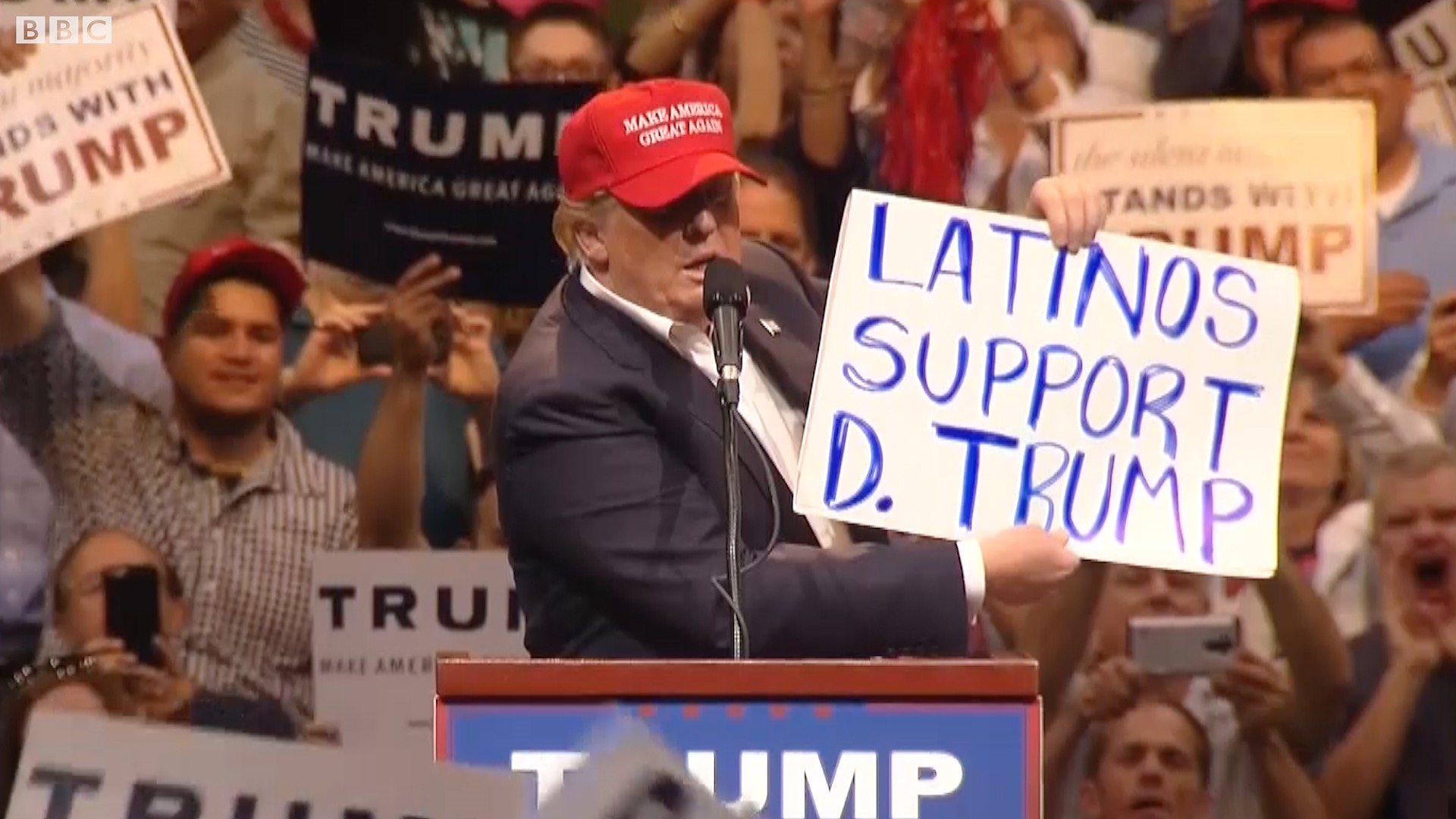
As we watch the coming election in New Jersey to see if the state’s large Latino population continue its Usain Bolt like sprint to the Republican Party or whether Democrats can claw them back (my own personal opinion here is that Covid shutdowns were an absolute disaster with these communities; many of these folks risked a hell of a lot more than a nasty disease to get to the U.S. in order to work and I’d love to see some research on this question), we need to not only figure out what the appeal of Republicans are to Latinos, but why did the Democrats lose its appeal. Manuel Pastor explores this in Dissent:
So what was Trump’s appeal to Latinos? Simply put, he spoke forcefully to people’s financial pain. For many white constituencies, “economic anxiety” may sometimes have been just an excuse to indulge racial fears, but inflation, jobs, and housing costs seem to have been on the top of Latino voters’ minds as they decided to hold their noses and cast their ballots.
This situation might invite another sort of wait-and-see response: let’s just point out where Trump is coming up short (aren’t eggs still expensive?), stress the disparate impact of his policies (won’t Latino families be hurt even more by cuts in Medicaid?), and hope that the long-sleeping Latino giant will finally wake up. That is at least a small improvement from the previous Democratic approach, which was in effect to ask people to believe the good economic data and not their own experience, and then deliver a PowerPoint about the upside of post-neoliberal industrial policy.
That’s a mouthful, of course—and it clearly didn’t work. One problem is that when progressives have thought about the culture wars, they tend to mean only questions of religion and ethnicity. But class is culture too. For example, discussion of the white working-class experience has been enriched by considering not just the loss in income from deindustrialization but also the concurrent loss of meaning and self-worth when jobs disappear. That understanding may be crucial to recapturing the Midwest—but it is no less the case for Latino identities and political priorities, which are defined not only by language and ancestry, but also by economic circumstances.
Indeed, under a definition of “working class” offered by the Center for American Progress—restricted to those holding or seeking a job who lack a four-year college degree—nearly 80 percent of Latinos are working class, compared to about 70 percent of Black Americans and only 55 percent of white Americans. The obvious takeaway is that any conception of a working-class base must be multiracial—but the more subtle lesson is that we ignore how class determines culture and identity at our political peril.
I grew up in a multiracial working-class community in Southern California. Certain commonly held key values defined us, especially a connection to work, craft, and solidarity. The last was driven home to me after my dad suffered a serious workplace injury, which took most of a lung and left our family short on income and food. When he finally healed, his union was on strike. Naturally, the company asked him to return to work, hoping that the need to provide for us would drive him to say yes. Instead, he went straight to the picket line. Cut off from the company’s sick pay and instead reliant on scarce strike funds, we were a little bit hungry but a whole lot proud—and a lesson was seared in.
As much as the foods we eat and the languages we speak, culture is about the values we share. The progressive economic message is often something along the lines of “there’s enough wealth to go around.” But a more winning message, particularly for Latinos who aspire to social mobility, might be: “there’s enough work to go around.” There are enough ways to earn, own, and thrive—and economic policy should include a safety net, to be sure, but it should also provide a springboard, from which work is rewarded with both pay and dignity.
This is a general problem: Democrats and progressives need a better economic story. The key is to speak not just to redistribution but also to production and opportunity. It’s also crucial to imagine workers not just as steelworkers and auto assemblers reeling from deindustrialization, but also as maids, gardeners, elder caregivers, service workers, and others who do the support and care work that helps all of us thrive. Latinos are a key part of the class project, and the attention of unions in recent decades to organizing Latino workers is welcome.
Also, here’s the last couple paragraphs:
The reality is that authoritarianism has been appealing because our economy is malfunctioning for the many, and blame is the only commodity in excess supply; because our movements have been of insufficient scale and their recent growth has been hampered by internal divisions, a slippage in organizing training, and a lack of skills in building broad popular fronts; and because current politics often operates on metrics more attuned to winning elections in the short term than to guiding durable movements for the long term.
The hard work of such movement organizing involves moving from issues to vision, and convincing people of a shared sense of purpose, one that brings them not just to the polls every few years, but to the barricades of change. It’s a task that has been put on steroids by the advent of techno-authoritarianism, an era in which Silicon Valley is no longer a source of potential liberatory technology but a fount of ideas for totalizing control.
Latinos were never sleeping; they’ve just been too often ignored and misunderstood. For the progressive movement to not just resist right-wing authoritarianism but also build power in this moment, it will need to create, not assume, identity; construct an economic program that resonates with lived experience; and offer a vision of opportunity, community, and dignity that cuts across what divides us.
There’s a lot to chew on here.