
AIPAC’s Failures
 By
By 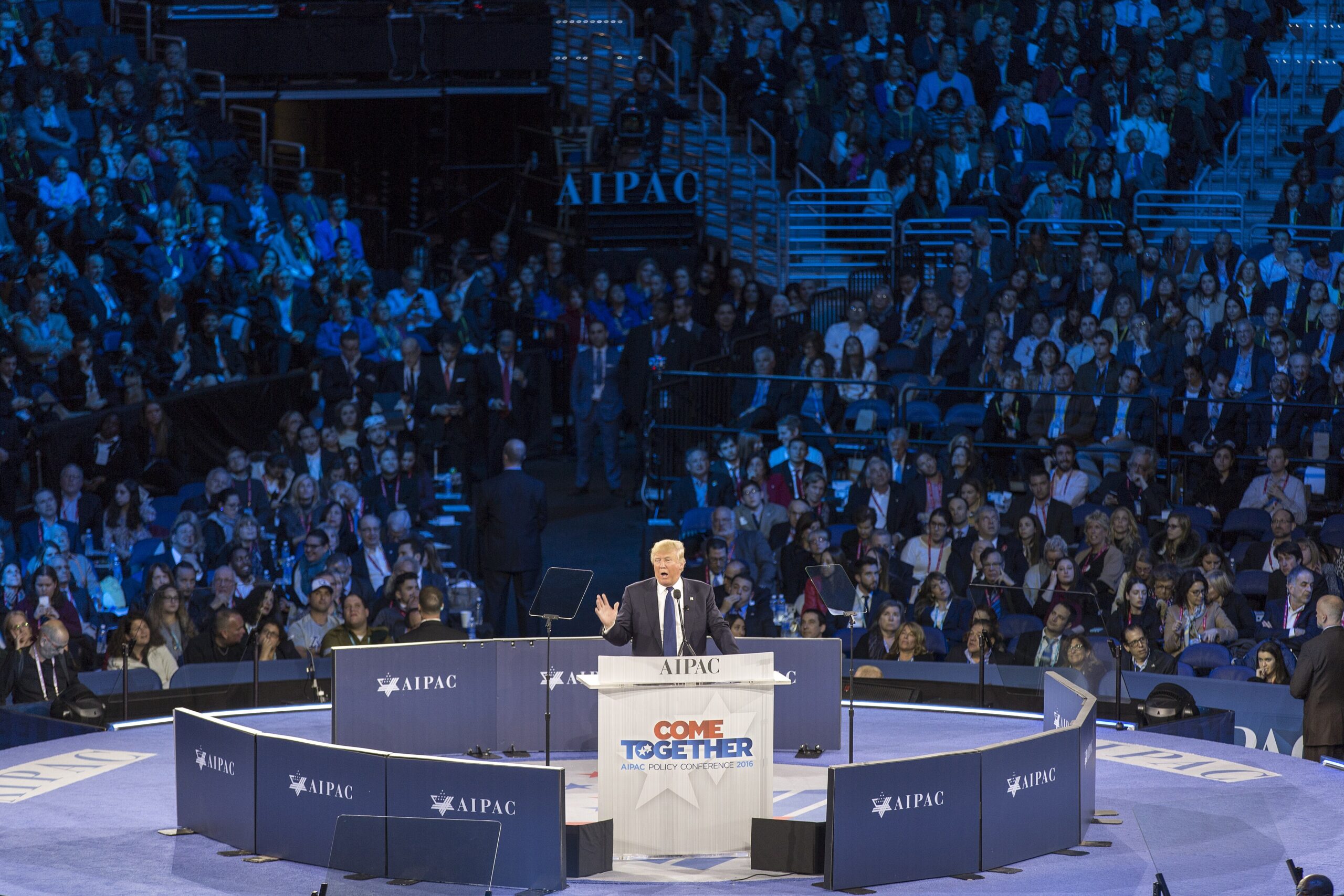
What exactly does AIPAC think it is going to accomplish by dumping a ton of money into campaigns this year? I mean to discuss this at least somewhat outside the immorality of Israeli policy toward Gaza and settlement-driven ethnic cleansing campaigns so violent that even Mike Huckabee is like, maybe this is a bit much. I mean strictly from a political point. I get it on one level–lots of money into politics is supposed to pay off. But it only pays off up to a point, which Elon Musk is also finding out. If people know it’s you doing it and they think you are immoral and horrible people, it’s going to backfire. We’ve seen this repeatedly this cycle, with AIPAC supported candidates failing in part because they are supported by AIPAC. This article is a bit old now, but Haley Stevens is a great example of this:
The American Israel Public Affairs Committee, or AIPAC, and its affiliated groups have spent close to $30 million backing Stevens — their largest investment ever in a single race — as they seek to defeat progressive favorite Abdul El-Sayed in the Aug. 4 primary.
…
The exchange illustrates how politically fraught AIPAC has become in Democratic politics as the war in Gaza has divided the party over U.S. support for Israel. AIPAC works to elect lawmakers who support its mission of strengthening the U.S.-Israel relationship and advancing policies it says enhance the security of both countries.
AIPAC did not respond to a request for comment. The organization’s super PAC, United Democracy Project, declined to comment.
The issue carries particular weight in Michigan, home to the nation’s largest Arab American population. Beyond Michigan, El-Sayed’s progressive allies are framing the race as a broader test of whether grassroots organizing can overcome unprecedented outside spending.
…
El-Sayed has made AIPAC and the tens of millions of dollars spent to support Stevens a centerpiece of his campaign. He and his allies have accused Stevens as being a mouthpiece for her large donors.
“She is nothing more than an employee of these billionaires,” said Sen. Bernie Sanders, who is also campaigning with El-Sayed this weekend at rallies in Detroit, Lansing and Grand Rapids.
Stevens has said she supports “comprehensive campaign finance reform.”
Most voters are unlikely to realize many of the ads blanketing Michigan’s airwaves are funded by AIPAC. They never mention Israel, instead highlighting Stevens’ work on manufacturing and featuring former President Barack Obama.
“AIPAC never runs on AIPAC. They never even talk about Israel and Palestine,” said former Rep. Andy Levin, whom Stevens defeated in a 2022 Democratic primary after redistricting. AIPAC spent millions opposing Levin, who is Jewish. “If you’re just a voter and you see a million ads, you don’t know who paid for it.”
Except now it’s becoming more obvious and thus less effective. Here’s a piece from after the Michigan primary that puts it all in more context, after Mike Rogers told AIPAC to stay out so he might actually win:
AIPAC still wields enormous influence in US politics.
Aid packages to Israel continue to pass by wide margins, and it still boasts the largest war chest of any single-issue lobby in Washington.
However, when it comes to recent efforts to sway US election results in favour of candidates who support Israel, AIPAC has faced setbacks.
Part of the backlash has come from broader public disillusionment with Israel-backed policies, including the US-Israel war on Iran and the genocide in Gaza, which AIPAC supports.
Some politicians who previously received support from the group are now disavowing it.
Last October, Democrat Congressman Seth Moulton distanced himself from AIPAC, citing the group’s support for Israeli Prime Minister Benjamin Netanyahu.
The lawmaker announced he would also return donations from AIPAC.
“In recent years, AIPAC has aligned itself too closely with Prime Minister Netanyahu’s government,” Moulton had said in a statement.
“I’m a friend of Israel, but not of its current government, and AIPAC’s mission today is to back that government. I don’t support that direction. That’s why I’ve decided to return the donations I’ve received, and I will not be accepting their support.”
According to The Associated Press-NORC Center for Public Affairs Research survey conducted in June, 58 percent of Democrats said the US is too supportive of Israel, up from 45 percent in January 2024; 60 percent of Republicans said the US support is “about right”.
But as Israel continues with its genocidal war on Gaza and military operation in south Lebanon, AIPAC has also begun losing support from Republican candidates.
I guess my point here–to the extent I really have one–is to question the value of endless money in politics and to wonder if AIPAC might at some point begin to understand that having a bunch of super rich people behind them is not going to help their goal of supporting Israel? Of course Israel changing its policy in Palestine would in fact be the single best thing that it could do to help itself internationally, but I don’t think Netanyahu cares that much about the U.S. anymore, not when it has Muslim haters in Russia, China, and India who can also support it.
Anyway, I thought that a conversation about AIPAC’s strategy would be interesting since it’s clearly failing.