
How Left Hero History Damages Current Social Movements
 By
By 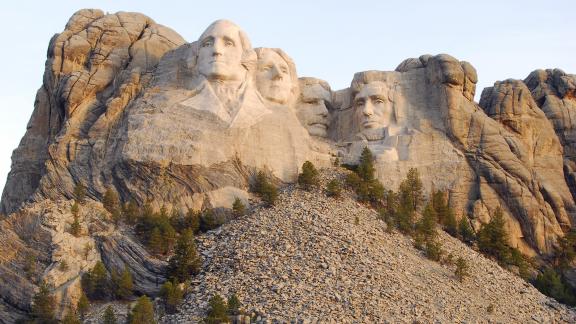
Yesterday in one of the Chavez threads was this excellent comment that I think is both spot on and deserves additional commentary.

I agree that this is a serious issue and it is why I wrote Organizing America. I might as well quote from it again since no one has bought or is going to buy it, as it turns out (oh well).
For several years, I taught a course called “Protest and Resistance in America” for the Honors program at the University of Rhode Island. On five different occasions, I’ve had semester-long conversations with smart students about the world and how to change it. I wanted to take students who already had a good sense about politics and teach them how to use their power more effectively, whatever their politics.
I found out that students needed more than just political knowledge. They needed hope. Many felt desperation as they face a mountain of student debt, watch the Supreme Court crush abortion rights and other core human rights, despair over the endless massacres of students with high powered guns, and wonder if they should have children because of the inevitability of climate change.
I tried to redirect that depression. I asked a question to the class and I will ask it to readers of this book: What are we going to do about it? Mainstream Democrats just tell us to vote, and yes that’s important. In fact, in a winner-take-all political system, we have to vote for whichever of the two major parties are closest to our positions. But we need so, so much more than just voting to create change. We need organizing.
But who knows how to organize? How do you create a social movement? It’s not like you contact someone and get a playbook. It’s hard and intimidating!
Yet people do it all the time. For whatever problems we have in our society, our lifetimes have also seen tremendously positive victories. Maybe a small example can help us understand this. I wrote the beginning of this book one day in the library of the University of Oregon. I walked into the men’s bathroom and looked at the tampons available for transgender students, staff, and faculty. When I went to Oregon as an undergraduate student back in the 90s, even though it had a leftist reputation, the idea of such a thing would have been unthinkable. This might seem small but it took committed people with a strong political vision and goal to make it happen. Queer and transgender people face tremendous hate and backlash still, yes, but we can both marvel at the victories won while also engaging in the next round of the struggle.
Part of what students needed were stories of struggle and success to inspire them. I struggled one year to break through their depression until I had them read two books. The first was Pramila Jayapal’s Using the Power You Have: A Brown Woman’s Guide to Politics and Political Change. Jayapal, one of the most progressive members of Congress and an Indian immigrant, powerfully speaks of her history, her organizing experiences, and her attempts to reach out to politicians who don’t agree with her and find something they can work on together. Then the students read Alicia Garza’s The Purpose of Power: How We Come Together When We Fall Apart. Garza, one of the founders of Black Lives Matter, wrote this brilliant memoir that both showed how to build a powerful movement, while also honestly depicting her own mistakes and the challenges of organizing today. She showed that she wasn’t so different from my students, as flawed people trying to make the world a better place.[1]
These books inspired my students because they combined a how-to of organizing with honest discussions of contemporary problems that spoke to my students’ lives and beliefs. They needed stories of organizers that went beyond cheap talking points or ideology or mythology and presented real people working on real problems.
As a historian, I started thinking about how I might apply what I learned teaching my students to how we as Americans learn our past. I think we learn our social movement past all wrong. We weigh down our current young people by creating myths about the greats of the past. We turn Rosa Parks, Martin Luther King, Malcolm X, and Cesar Chavez into our own Mt. Rushmore of social change. We look upon them as heroes rather than as humans. When we cannot live up to what these legends did, we feel like we have failed. We might say “King would have known how to build a giant social movement today and we don’t know how.” I don’t think that’s true. I think we can do accomplish just as much as any past great leader of social change did. In fact, I think we can accomplish more.
Part of my belief about this is that I know they stories of these great organizers’ failures as well as I do of their successes. The truth about past greats of our history is that they barely knew what they were doing any more than we do. They tried and failed. They screwed up. They had personal flaws that got in the way of the movement. They had egos and political miscues and losing campaigns. We can be like these greats because they were people, not mythological heroes. Learning from their success and their mistakes can help us win today.
[1] Pramila Jayapal, Using the Power You Have: A Brown Woman’s Guide to Politics and Political Change (The New Press, 2020); Alicia Garza, The Purpose of Power: How We Come Together When We Fall Apart (Random House, 2021).
In short, by making these people seem heroic, we have models but they aren’t models we can use because they are superheroes. Not to mention that then we find out about their horrible flaws…..