
The rise of the celebrity billionaire
 By
By 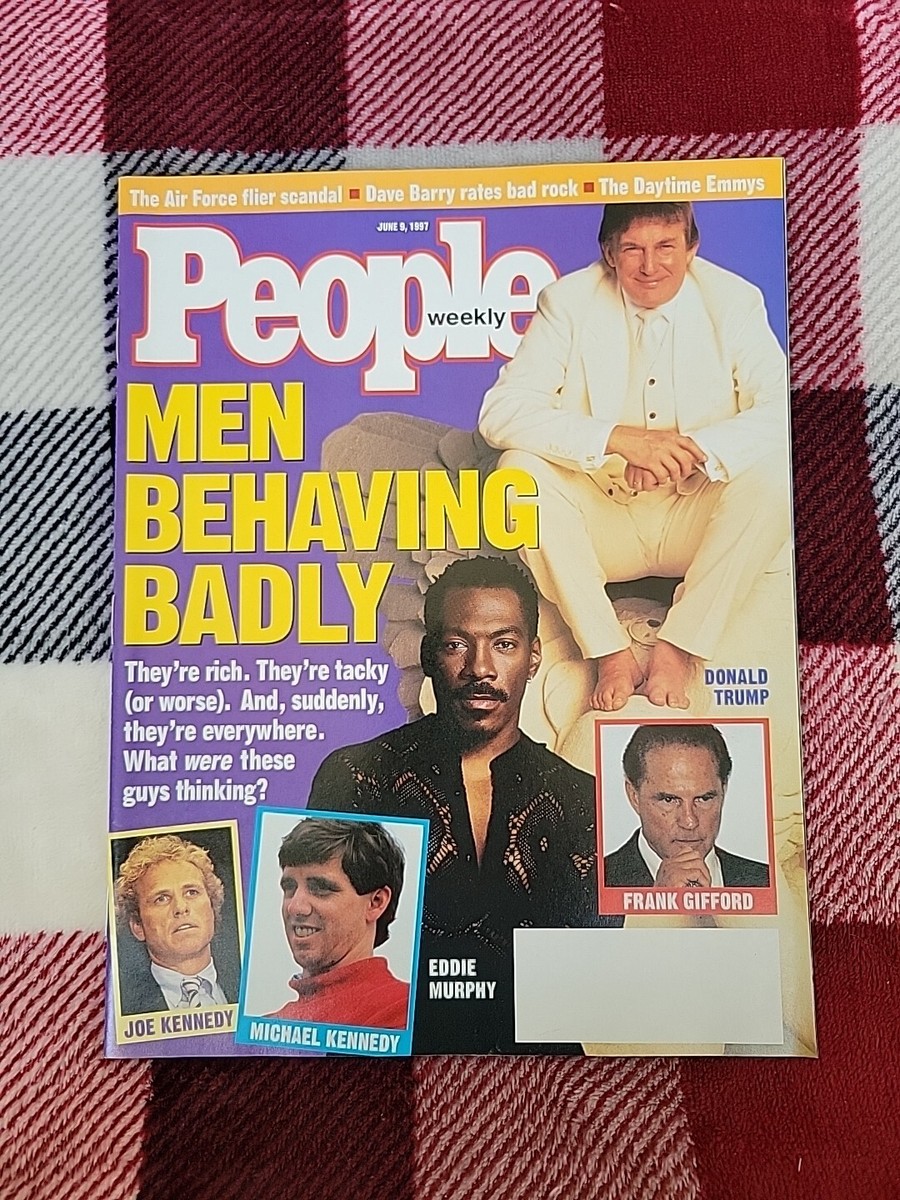
Andrew Gelman returns to a theme we’ve been kicking around for awhile, which is how in the New Gilded Age people of immense wealth create and nurture celebrity status, verging in some cases on actual cults of personality, on the basis of the fact that they have almost inconceivable amounts of money. Gelman recognizes a subgroup of super wealthy individuals that he admires, but I think there’s an important distinction to make here:
By “worship,” I mean that my favorite celebrity billionaires have done amazing, wonderful, inimitable things and I’m always rooting for them. Not necessarily in all aspects of their lives–I seem to recall reading that Bobby Z. wasn’t much of a father, for example–but, then again, Zeus and the gang didn’t have such tidy domestic situations either. People can worship Donald Trump in the sense of following him to the ends of the conceptual earth, supporting him on whatever latest policy twist or fake story he comes up with this week, while still finding him somewhat comical and even a bit despicable in his business dealings. Or you can worship Lebron James, admiring him for his amazing basketball skills, his physical conditioning, his Jordanesque will to win, etc., without wanting to look too carefully into his social life or those rumors of performance-enhancing drugs. And so on.
And it does seem that these celebrity billionaires live in their own Olympian plane (on their literal private planes) and only sometimes descend to Earth in order to involve us in their petty battles.
Fifty years ago, this wasn’t the case! There were rock stars, movie stars, sports stars, media stars, political stars, not so many business stars. There was Howard Hughes but he was a weirdo, not a god. Forty years ago there was Lee Iacocca, but he was a self-promoting businessman–a kind of big-budget Ron Popeil or Crazy Eddie–not an independent source of power like the modern celebrated business leaders.
I really don’t think that Dylan and James belong in the celebrity billionaire category as such, in that it would be a rare fan of either, I think, whose admiration would have much if anything to do with their wealth. And indeed their respective fortunes are tiny in comparison to those of the Masters of the Universe at the top of the plutocracy (James’s net worth is around 600 times smaller than Elon Musk’s, while Dylan’s is about 1,500th of that Smaug-like horde of corporate splendor). But leaving aside those proportions, people love Bob Dylan because he’s a great musician and LeBron James because he’s a great athlete, and there are countless great musicians and great athletes who people love and admire who aren’t even rich. By contrast, 100% of the unctuous groveling that Musk has and even now to some extent continues to inspire is based on nothing but his ability to make money, which as far as I know is the only notable talent the man has.
Donald Trump is, if anything, an even purer example of the cult of the billionaire, or until very recently fake billionaire, in that again, 100% of the admiration and indeed cult-like worship he has inspired has been based on his supposed financial genius, imaginary as that has always been, unless you count being able to grift billions of dollars out of his seizure of the U.S. government, which apparently many people do.
Gelman points out correctly that the rise of the celebrity billionaire is a fairly recent phenomenon: in the 1970s for example, the only real celebrity plutocrat was Howard Hughes, and he was more famous for being weird than anything else. This reminds me of how subversive, under current cultural conditions, a film like Citizen Kane would be, with its overt lese majeste toward the Titans of Commerce and Industry. It also reminds me of how a TV show like Lifestyles of the Rich and Famous in the 1980s started out as self-conscious camp, before morphing into hagiography.
And of course the most infamous and important example of that same trajectory was Mark Burnett’s The Apprentice, which without exaggeration transformed Donald Trump from a washed up punch line into the Most Important Man in the World.