


Radiation Yum Yum
 By
By 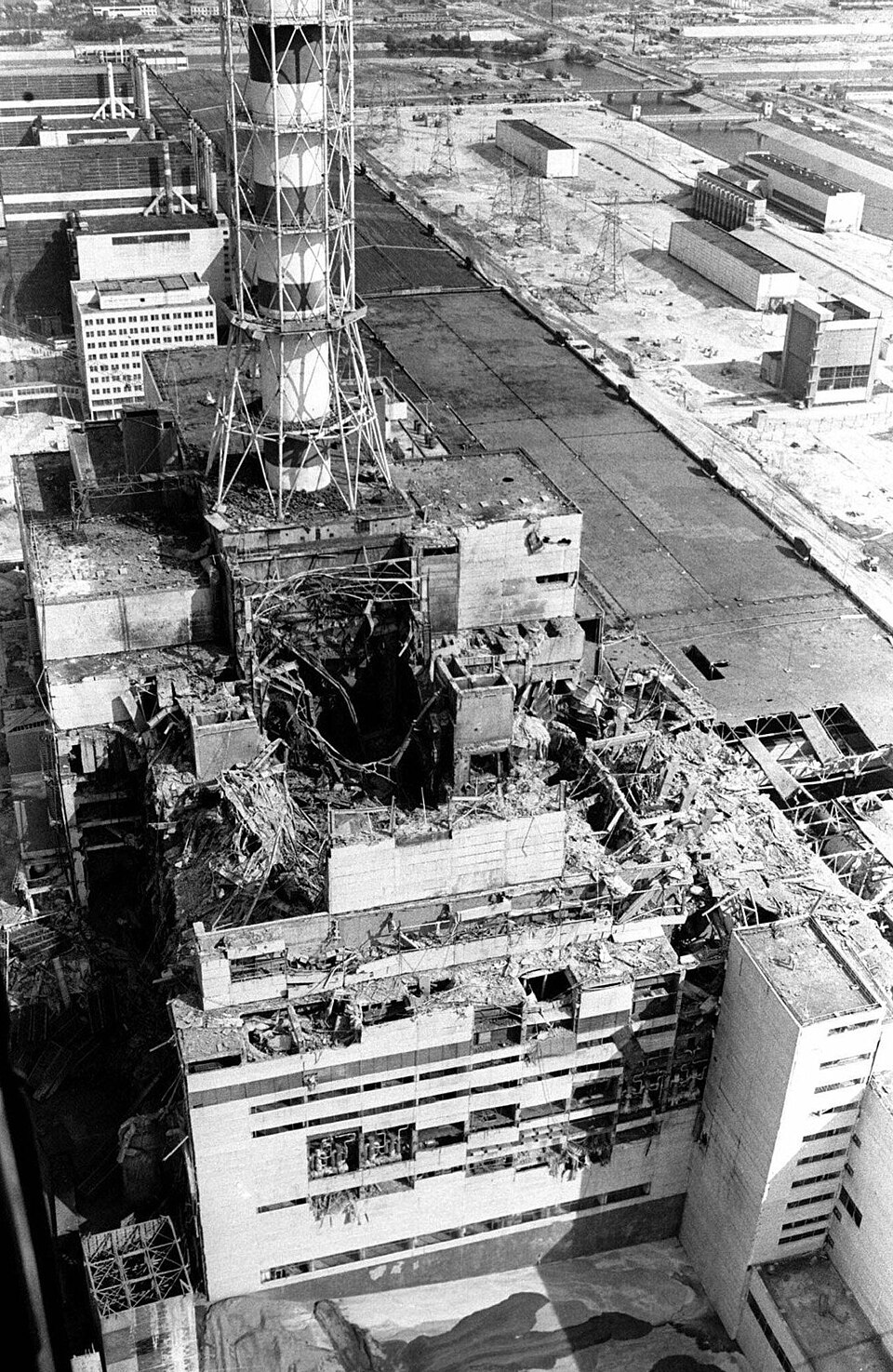
In May 1997, Nelli Zhdanova entered one of the most radioactive places on Earth – the abandoned ruins of Chernobyl’s exploded nuclear power plant – and saw that she wasn’t alone.
Across the ceiling, walls and inside metal conduits that protect electrical cables, black mould had taken up residence in a place that was once thought to be detrimental to life.
In the fields and forest outside, wolves and wild boar had rebounded in the absence of humans. But even today there are hotspots where staggering levels of radiation can be found due to material thrown out from the reactor when it exploded.
The mould – formed from a number of different fungi – seemed to be doing something remarkable. It hadn’t just moved in because workers at the plant had left. Instead, Zhdanova had found in previous surveys of soil around Chernobyl that the fungi were actually growing towards the radioactive particles that littered the area. Now, she found that they had reached into the original source of the radiation, the rooms within the exploded reactor building.
With each survey taking her close to harmful radiation, Zhdanova’s work has also overturned our ideas about how radiation impacts life on Earth. Now her discovery offers hope of cleaning up radioactive sites and even provide ways of protecting astronauts from harmful radiation as they travel into space.
Eleven years before Zhdanova’s visit, a routine safety test of reactor four at the Chernobyl Nuclear Power Plant had quickly turned into the world’s worst nuclear accident. A series of errors both in the design of the reactor and its operation led to a huge explosion in the early hours of 26 April 1986. The result was a single, massive release of radionuclides. Radioactive iodine was a leading cause of death in the first days and weeks, and, later, of cancer.
In an attempt to reduce the risk of radiation poisoning and long-term health complications, a 30km (19 mile) exclusion zone – also known as the “zone of alienation” – was established to keep people at a distance from the worst of the radioactive remains of reactor four.
But while humans were kept away, Zhdanova’s black mould had slowly colonised the area.
Huh.