
Election of the weekend I: Jersey
 By
By 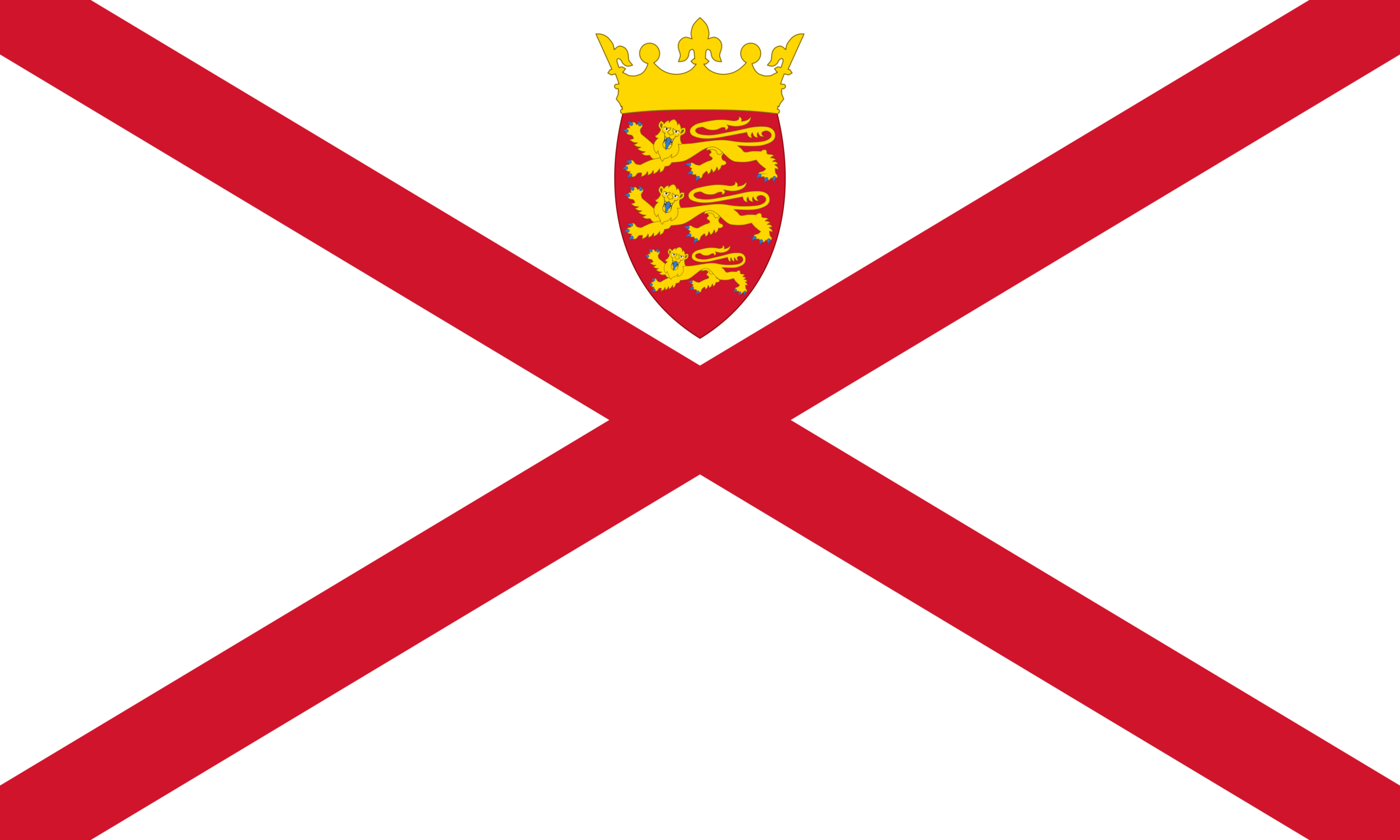
It’s a busy electoral weekend, with four national elections demanding coverage here taking place on Sunday. We’ll begin in Jersey, a Channel Island Bailiwick and crown dependency with a population of roughly 105,000 residents. Jersey is a Crown Dependency with the British monarch as the head of state, who is represented by an appointed Bailiff. It’s a fabulously wealthy country, dominated by the financial services sector (which is a polite way of saying “tax haven”), with tourism and agriculture also providing significant if rather less remunerative employment options. Agriculturally Jersey is associated with two ‘luxury’ products; the dairy of Jersey Cows and the Jersey royal potato. The electorate is unusually residency-based, with formal citizenship being unrelated to voting rights. Anyone who is a)16 or older and who has b) resided in Jersey for the previous 12 months is eligible, but overseas voting is not allowed. (Those who have lived in Jersey for more than 5 total years in the past can regain their eligibility to vote with six months of consecutive residency, whereas new residents/those with less than 5 years of total residency need 12 months of residency to obtain eligibility.)
The States Assembly is their national legislative assembly, which has 49 seats elected by three different electoral mechanisms; all voters can and generally do participate in all three. The assembly contains 12 constables, who represent the island’s 12 parishes. They are elected in first past the post elections in those parishes. In addition to serving in the legislature, constables have some oversight roles and duties in the Administration of basic government services in their Parish. Parish boundaries are traditional and not proportional, so the constable portion of the assembly is a vehicle for our old friend “rural overrepresentation.” The parish of St Helier, representing the island’s largest town, has nearly 20x the population of St Mary, the smallest rural parish. The island is also divided into 9 multimember districts, which elect deputies. These districts have between 2 and 4 seats based on population. Voters have as many votes as seats in their district. There are 28 deputies elected across the 9 districts. The final kind of representative are Senators, who comprise the remaining 9 seats. They are elected via a nationwide ballot, with each voter choosing up to nine candidates. Senators were abolished for the 2022 election, with those seats redistributed to the deputy elections, but were brought back for 2026. So each voter can vote for one Constable, 2-4 Deputies, and up to 9 Senators. This seems needlessly complicated but it’s actually fairly streamlined and modernized relative to the recent past. “Jurats” sat in the legislature as recently as 2005. While their selection process varied over the years, they were selected by judges, rather than the general public (later, an electoral college guided by judges) and served a life tenure in the assembly. Now, the disproportionality of the constables is the last notable antidemocratic feature.
The differences in title and electoral method don’t mean much of anything once the States Assembly meets, as they all have the same role and the same voting power. Jersey has a weak party or party-light kind of political system. Parties exist, but a majority of members of the states assembly are often independents, 31 of the 49 members elected in 2022 were independents. The party system, such as it is, is largely divorced from that of the UK. Case in point: the largest party is “reform Jersey” (which holds 10 seats now, and is fielding 16 candidates in Sunday’s election). This has exactly nothing to do with Reform UK, and in fact has evolved into a fairly standard center-left social democratic party since its founding (as an advocacy group for electoral reform) in 2012. They’re being challenged by “People First”, founded by a former Reform Jersey founding member, who is challenging Reform from the left, but they’re only fielding a few candidates. In general, parties don’t mean much in legislative functioning.
The weak, relatively meaningless party system makes Jersey politics somewhat difficult to follow from the outside. Furthermore, substantive coverage about this election is fairly light. From what I can glean, two major substantive issues of note in this election are electoral reform and cost of living issues. Jersey seems to be in a constant state of electoral reform, but one issue at the moment is a scheme to reduce the number and shift the boundaries of deputy constituencies. Cost of living issues are brutal because it attracts very wealthy people as a tax haven that has a very pleasant mild climate and high quality of life, but is also a pretty NIMBY jurisdiction where preservationism, and a strong desire to retain a pastoral, agricultural identity, are widespread. What little development does occur is tightly controlled by the government, and is almost entirely infill in St. Helier. This all, predictably, leads to extremely high housing costs, which impedes non-wealthy Jerseyans who might wish to return after college and build a life there from being able to afford to do so. A number of schemes to provide housing support for returning Jerseyans are being proposed and debated. Of course, affordability has also been damaged by several years of higher-than-average inflation and a spike in fuel prices in the last few months.
Turnout is typically quite low in Jersey, usually in the low 40’s and considerably lower than that in 2022. A shift to Sunday as election day (Jersey has traditionally voted on Wednesdays) as well as a mild expansion of early voting aim to address this. Vote by mail is an option, but it’s a fairly cumbersome process and lightly utilized.