
Into the Wood Chipper
 By
By 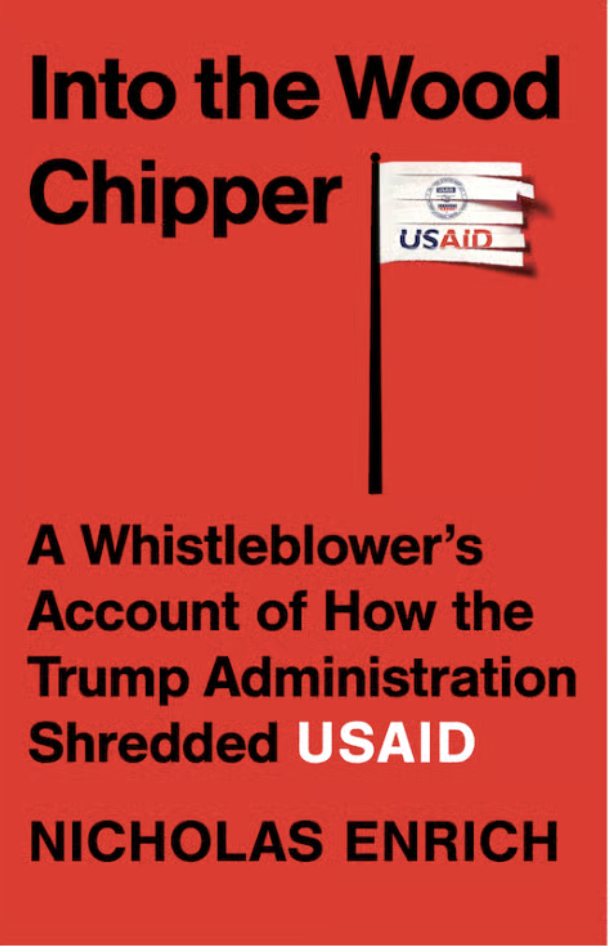
Marisa Kabas has an excerpt from looks like a fascinating new book by a former top USAID official:
Without introductions, Joel, who was eating a frozen Indian dinner, jumped right in. “In full transparency, we’re drawing down USAID,” he said. “We’d like you to walk us through your mission-critical functions so that we can close things out smoothly. What are the key priorities that we need to keep working on in GH, and the staff needs to carry them out?”
Draw down. Close out. The words he dropped so casually rang in my head. Our global health programs didn’t concern him, he was only interested in the quickest way to shutter the agency. I knew this was my only chance to make him see why our work mattered.
“Thanks, Joel,” I began. “With the current pause on foreign aid, we’re primarily focused right now on the waiver to restart our lifesaving activities. But emergency response is only a tiny fraction of our work. So much of what we do is to strengthen sustainable health systems around the world for long-term health improvements. Let me tell you about that work as well as some of the more urgent needs.”
Joel, who had been checking his watch, shrugged and took another bite of his microwaved paneer. Just as I was about to go on, Paul Seong spoke up. “I’d say just stick to the lifesaving stuff,” he said. Aside from Jason Gray, Paul was the only career official representing the front office in this meeting. My only prior engagement with Paul was the Ebola briefing on Monday after which he had asked for the names of the meeting’s participants, who had been the only staff spared from administrative leave that day. Paul had been a relatively junior foreign service officer until recently, when he had somehow ingratiated himself with our new political leaders. Now the political appointees seemed to look to him for strategic advice on how to tear down the agency, and he appeared to relish his newfound influence, which was affirmed by his seat at the center of the conference table. Joel and the others nodded their agreement.
Disappointed, though not surprised, I began to describe various life- saving components of USAID’s global health portfolio, highlighting how we prepare for and respond to emerging pandemic threats; support the diagnosis and treatment of tuberculosis, malaria, and HIV; and immunize millions of children from the deadliest childhood diseases. I spoke for about five minutes, focusing primarily on our infectious diseases work and hoping to keep the attention of people who seemed to have no experience—or interest—in global health.
When I finished, the room was silent, the political appointees looking at one another in what appeared to be disbelief. The silence was broken by Ken Jackson, who chuckled softly and shook his head. “Wow, there really is so much that USAID does that we never knew,” he said. “This is the story that needs to get out there.”
Joel, also smiling, chimed in next, echoing Jackson’s amazement. “I had no idea you did all this,” he said. “As a Republican, when I think of what USAID does in global health, I assumed it was just, you know, abortions.”
It doesn’t get any less depressing than this. The destruction of USAID in itself dispositively settles the question of whether Trump is the worst president of the 21st century — countless people will die because of the impulsive actions of amoral know-nothings.