
Friends in immoral places
 By
By 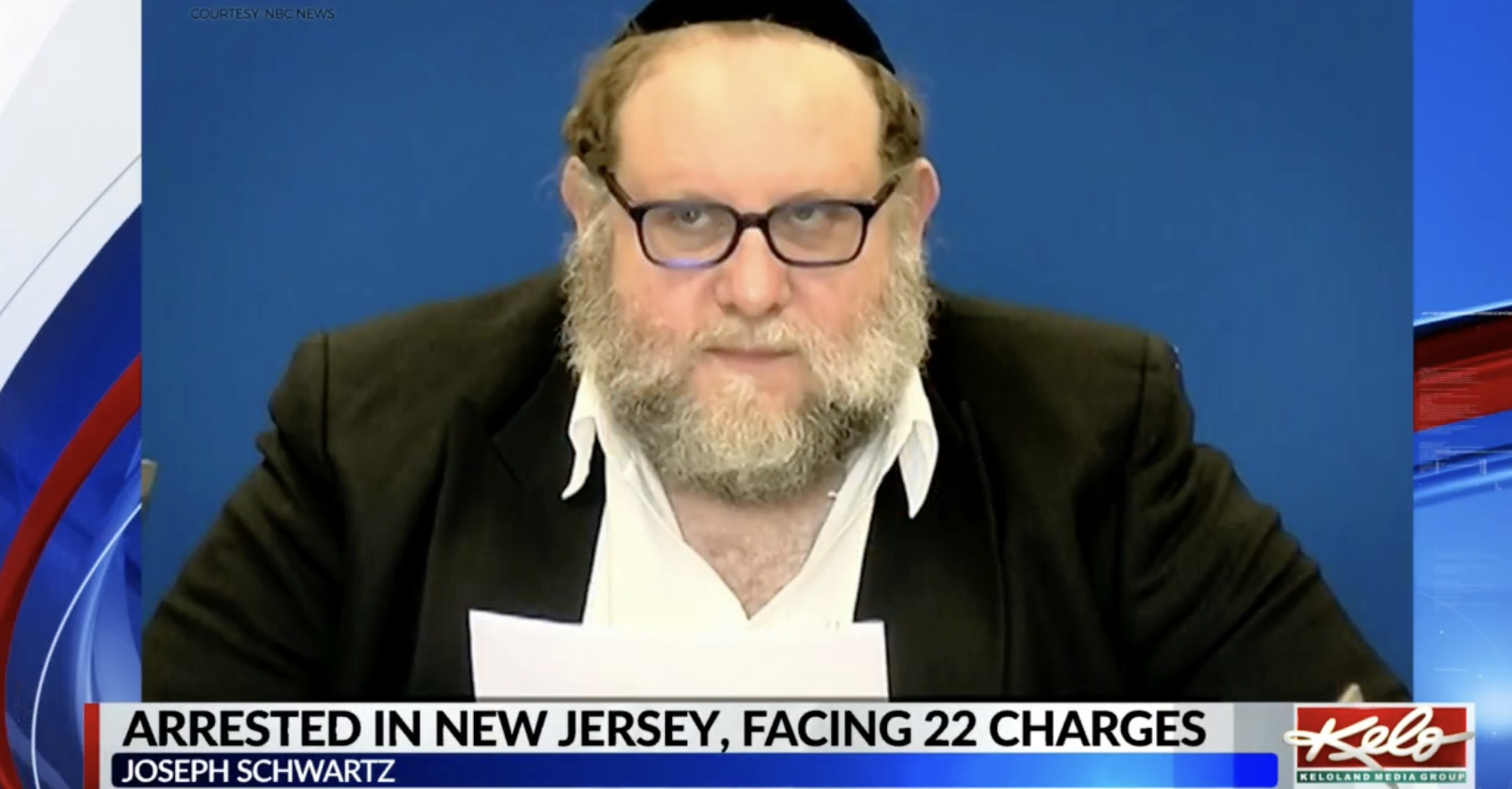
Here’s a representative example of the kind of person Donald Trump thinks is worthy of a pardon, given a certain level of emmolument:
Doris Coulson remained spirited even as her illness progressed — watching cooking shows on TV, working crossword puzzles and wheeling herself down the hallways of her nursing home to show off her granddaughter when she came to visit.
Coulson had been admitted to Hillview Post Acute and Rehabilitation Center in Little Rock, Arkansas, in January 2016, after Parkinson’s disease left her at risk of choking when she swallowed. That April, the facility’s operations were taken over by Skyline Healthcare, a New Jersey-based company that was buying up nursing homes across the country.
Medical records for the retired cardiac nurse, then 71, were marked “NPO” — nothing by mouth.
Then that September, a nursing assistant found Coulson unresponsive and hanging off the side of her bed, her skin ashy and her breathing shallow. She was taken to a hospital in a coma and died several days later. The chief cause of death was aspiration pneumonia, according to her death certificate.
“The doctors said they found scrambled eggs in her lungs,” said her daughter Melissa Coulson.
Coulson’s death and the circumstances surrounding it led her family to file a lawsuit against Skyline and its owner, the New Jersey businessman Joseph Schwartz, alleging that cost-cutting at Hillview left Coulson without the care she needed. It was one of several lawsuits tied to patient outcomes as Schwartz’s empire expanded and then unraveled, with much of the chain collapsing by 2018.
Schwartz didn’t contest the case, and a judge in 2020 awarded nearly $19 million in damages. Coulson’s family has never been able to collect. Schwartz had by that time relinquished all of his property in Arkansas, so there was nothing left in the state for the family’s lawyer to try to seize, nor was there enough information about assets he may hold in other states.
Coulson’s civil action was one of several efforts to hold Schwartz accountable for what happened at his nursing homes. In perhaps the most sweeping move, federal prosecutors in New Jersey charged Schwartz with orchestrating a $39 million payroll tax scheme connected to his nursing home empire.
He pleaded guilty last April to failure to pay the IRS taxes withheld from employees and failing to file a financial report for his employees’ benefit plan. A federal judge sentenced him to three years in prison.
But Schwartz served just three months. In November, President Donald Trump granted him a full pardon, negating his criminal conviction — part of a series of clemency decisions in the president’s second term that have benefited well-connected defendants, including political allies with access to the White House and individuals like Schwartz who had spent heavily on lobbyists.
Often overshadowed in the attention around Trump’s decisions is the emotional and financial devastation left behind. Few clemency decisions illustrate that more clearly than the case of Schwartz, who paid himself millions of dollars from his nursing homes while diverting tens of millions owed to taxpayers and employees, and who has failed to satisfy at least three multimillion-dollar judgments awarded to grieving families.
It’s not just that Trump loves giving con artists who have left a trail of ruined lives get out of jail free cards, he wants to insulate them from even having to pay restitution to the taxpayers and/or victims. Many more examples at the link, and if Bernie Maddoff had not shuffled off this mortal coil he probably would have been pardoned by now too.