
Bringing a memo about how knives are dangerous to a gunfight
 By
By 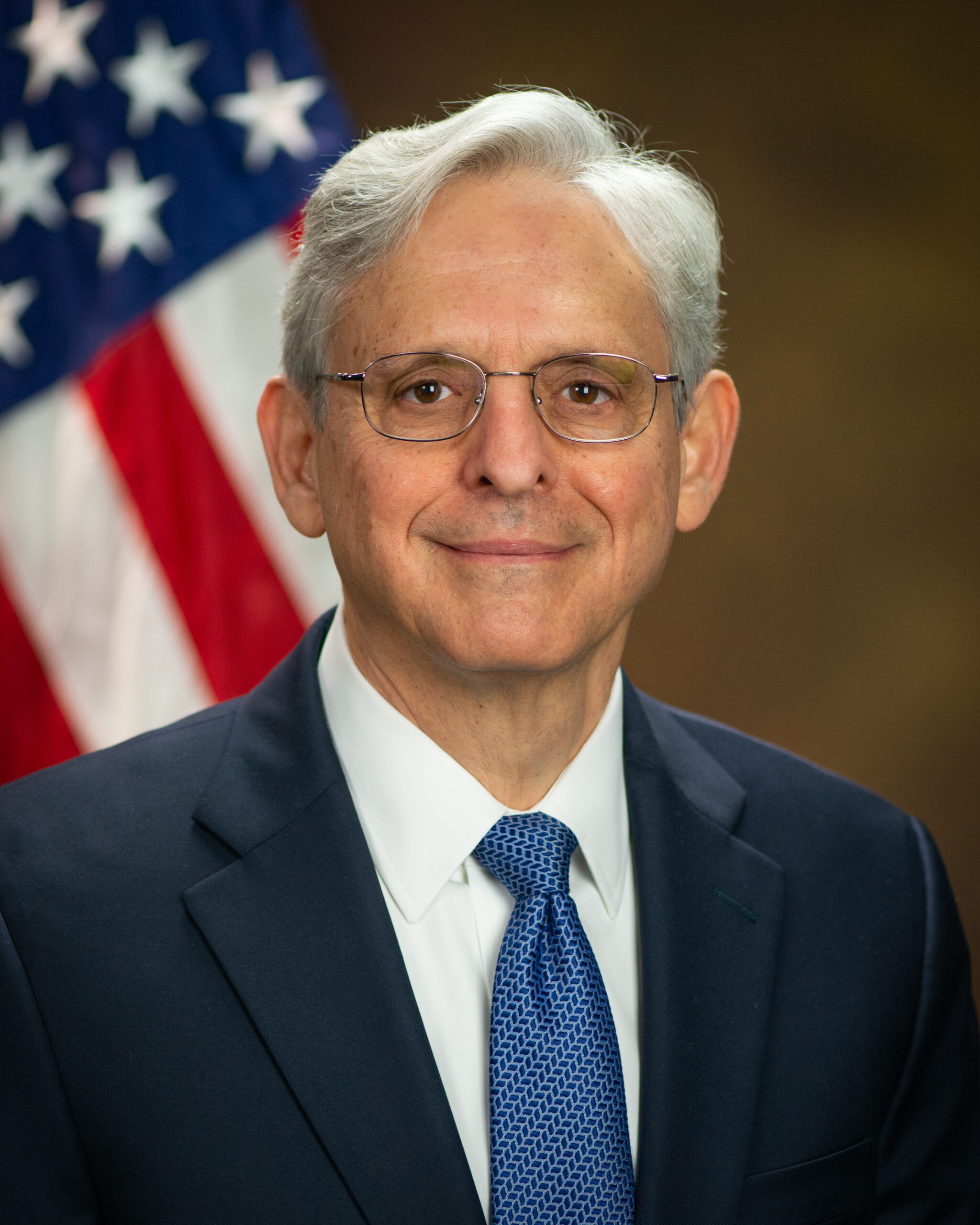
There’s a strong argument that, in an alternate universe where Joe Biden chose Doug Jones or similar to be his AG rather than Merrick Garland, it ultimately wouldn’t have made any real difference, because both Congress and the entire federal judiciary, and most especially the SCOTUS, are now wired to protect Trump from any real legal consequences for his many crimes. On the other hand we don’t know that’s necessarily the case — history and politics are complicated things — and in any event exacerbating a natural disadvantage with extra helpings of feckless cowardice is something that’s infuriating to witness.
Leonnig and Davis are both Pulitzer winners who covered events at the Justice Department under both presidents for The Washington Post. (Sadly, Leonnig is now part of the post-Bezos diaspora from the newspaper.) The authors’ great frustration is that, over the past half-decade, the department has lurched from extreme to extreme. The shabby partisanship of the first Trump term was followed, in their view, by an overreaction, with a department led by an attorney general, Merrick Garland, who was so fearful of accusations of partisanship that he did little at all until it was too late. . . The heart of “Injustice” is the authors’ reconstruction of how Garland led the investigation of the Jan. 6, 2021, attempt to overturn the 2020 election.
Garland’s team took the narrowest possible approach, focusing only on those who may have committed violent crimes in the riot at the Capitol. “Unless investigators turned up clues from rioters’ phones or financial records that pointed them back toward the president’s campaign,” the authors write, “the decision effectively walled off Trump and his allies from becoming subjects of an F.B.I. probe.”
Garland and his inner circle were so worried that an investigation of Donald Trump would look “political” that they even halted an internal investigation by the department’s inspector general of the lead-up to Jan. 6 because it might have implicated Trump. As Leonnig and Davis write, “The result was that no one was actively investigating Trump’s apparent attempt to block the transfer of power.”
If “Injustice” has heroes, it’s the investigators from the House Select Committee on the events of Jan. 6, who did what Garland forbade his subordinates to do: examine the role of Trump and his White House in the attack on the Capitol. “While D.O.J. was trained on rioters, this team wasted no time going straight to the top for answers,” Leonnig and Davis write.
They found them. Indeed, properly embarrassed by how much the House investigators did find out about Trump’s efforts to overturn the election, especially through a scheme to use fake electors, the Justice Department was reduced to begging the committee “for access to transcripts of the testimony of all witnesses who had given the committee their account of events.” As Leonnig and Davis aptly note, it’s usually Congress that asks the Justice Department for the results of its investigations, not the other way around.
Good grief.
Reaching for a sportsball metaphor, it’s as if your team is a 19-point underdog and is faced with fourth and three from the other team’s 42 on its first possession in a scoreless game, and the coach proceeds to punt. Yes we were probably going to lose anyway, but the cowardice and stupidity didn’t help!