
Last Remnants of an Imperial Machine
 By
By 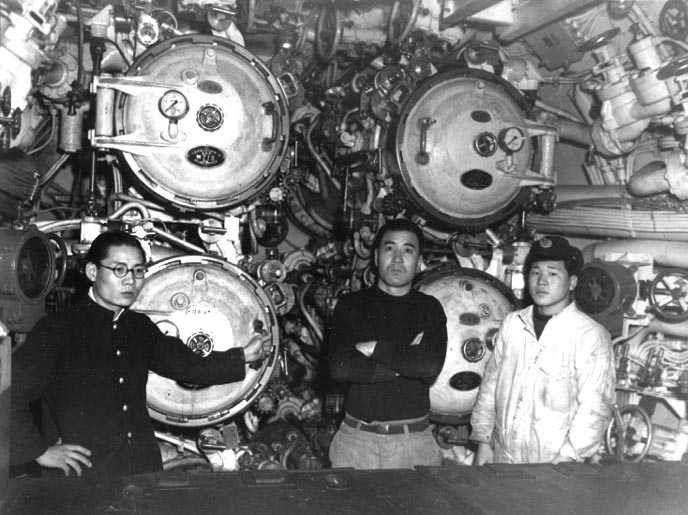
Interesting, if somewhat puzzling, article in the NYT on the last surviving Japanese veterans of World War II:
Kunshiro Kiyozumi is a small man with gray hair and a stooped back who lives alone and still pedals his bicycle to the supermarket. At 97, he cuts an unprepossessing figure to the younger shoppers busy texting while filling their carts, unaware his life contains a dramatic story shaped by history’s deadliest war.
At age 15, Mr. Kiyozumi became the youngest sailor aboard the I-58, an attack submarine of the Imperial Japanese Navy. In the closing days of World War II, it prowled the Pacific Ocean, torpedoing six Allied ships, including the heavy cruiser U.S.S. Indianapolis, which it sank.
He served in a military that committed atrocities in a march across Asia, as Japan fought in a brutal global conflict that was brought to an end with the atomic bombings of two of its cities. All told, World War II killed at least 60 million people worldwide.
But the living veterans like Mr. Kiyozumi were not the admirals or generals who directed Japan’s imperial plans. They were young sailors and foot soldiers in a war that was not of their making. Most were still in their midteens when they were sent to far-flung battlefields from India to the South Pacific, where some were abandoned in jungles to starve or left bearing dark secrets when the empire fell.
After Japan surrendered on Aug. 15, 1945, they returned to a defeated nation that showed little interest in their sacrifices, eager to put aside both painful memories and uncomfortable questions about its wartime aggression. Mr. Kiyozumi lived a quiet life, working at a utility company installing the electrical wires that helped power Japan’s reconstruction. Over time, his former crewmates died, but he rarely spoke about his wartime experiences.
“I am the last one left,” Mr. Kiyozumi said in his home, showing fading photographs of the sub and himself as a young sailor.
As the 80th anniversary of the war’s end approaches, the number of veterans still alive is rapidly dwindling. There were only 792 Japanese war veterans still collecting government pensions as of March, half the number of a year earlier.
FWIW USS Indianapolis also has one remaining survivor, although it’s not obvious from the documentation whether he was on the cruiser at the time of her sinking. It’s odd that we get this article now, but to the credit of the author they do not skimp on details of the war crimes that these very old men committed and abetted. 792 seems to me a very low number for a relatively long-lived society in which a huge number of men served during the war, but I suppose that we’re approaching the point where we’ll be able to count down the last surviving World War II veterans for every participant.
Still, the stories are interesting. These guys are very old and a lot of what they have to say is probably itself shrouded in myth and self-deception, but I nonetheless think there’s positive value in finding these stories… even if they don’t shed much additional light on World War II they help us understand how memory is shaped at both the individual and the cultural level.